CT Calcium Score Test (2026): Purpose and Procedure
Know Your Heart Risk, Even Without Symptoms

Medically Reviewed By: Dr Jana Lim, Board-Accredited Family Physician
Board-Accredited Family Physician | MBChB, MMed (FM)
MBChB, MMed (FM) | Last updated:
What Is a CT Calcium Score?
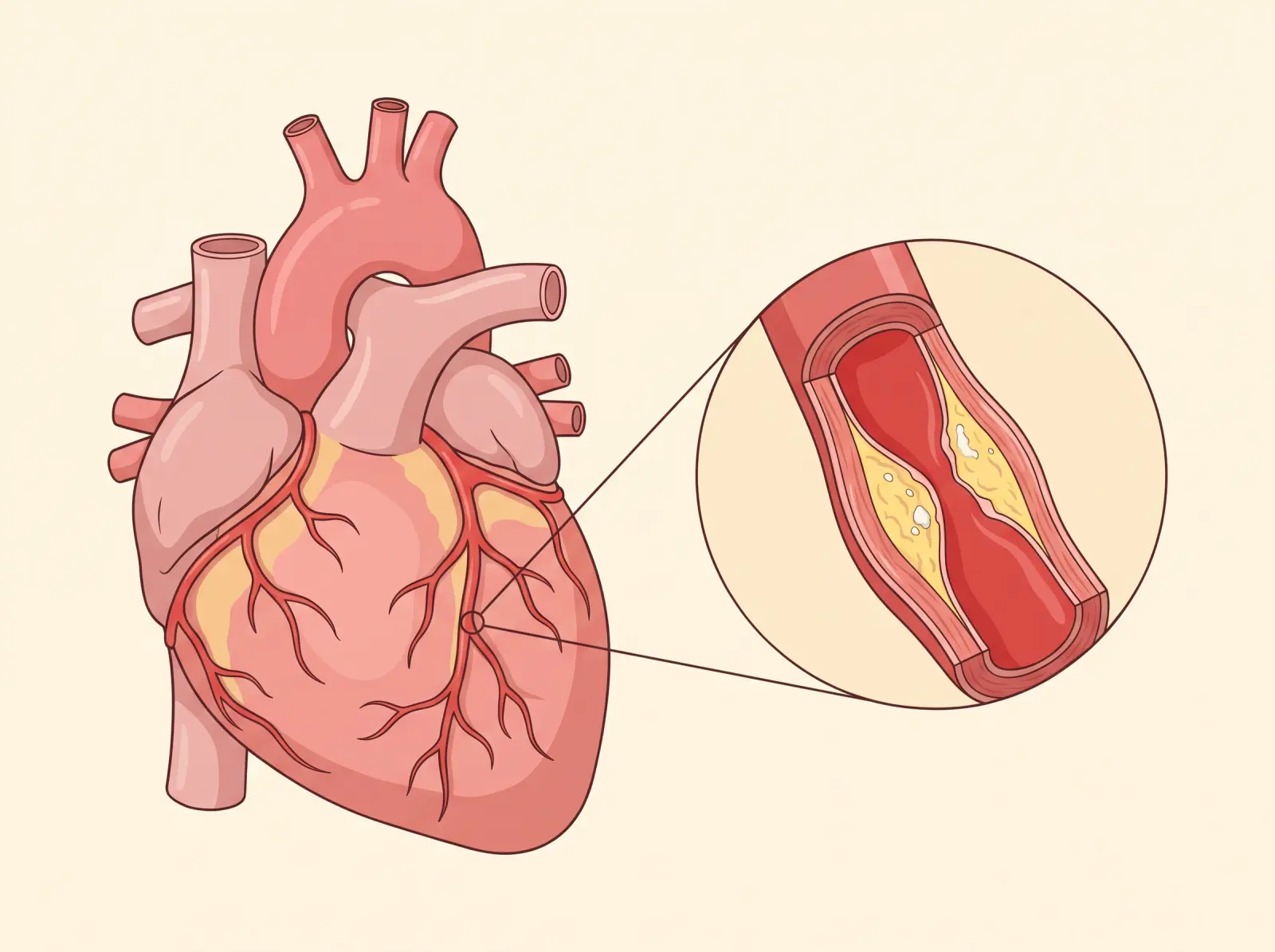
A CT calcium score test is a heart scan using computed tomography (CT) that measures how much calcified plaque has built up in your coronary arteries, the blood vessels that supply the heart muscle.
The result is a number called the coronary artery calcium (CAC) score, and the test is also known as a coronary calcium scan, a CAC test or a calcium test for the heart.
Calcified plaque is hardened plaque that contains calcium, and it is a sign of atherosclerosis (plaque building up inside the arteries). Atherosclerosis can progress to coronary artery disease and raises the risk of a heart attack or stroke.
The scan is simple and non-invasive, and the coronary calcium score it produces helps to assess your risk of coronary artery disease.
Is a CT Calcium Score Test Worth It?
If you are aged 40 or above and may have a raised risk of heart disease but have no symptoms yet, a CT calcium score test is worth considering. It can be especially useful if your risk is borderline or intermediate (neither clearly low nor clearly high).
In Singapore, 31.4% of all deaths in 2022 were caused by cardiovascular diseases. A CT calcium score test is one form of regular screening that can detect the risk of heart disease early, while there is still time to take steps to manage it.
How Reliable Is a CT Calcium Score?
A CT calcium score test reliably detects and measures calcified plaque in the coronary arteries, and any calcium found on the scan is a sign that atherosclerosis is present. It cannot detect soft plaque, which has not hardened with calcium, or directly show how narrow an artery has become.
How Does a CT Calcium Score Test Compare With Other Heart Tests?
A CT calcium score test, an electrocardiogram (ECG), a CT coronary angiogram, a carotid intima-media thickness (CIMT) test and a stress test each check a different aspect of heart health:
| Test | What It Checks | How It Is Done |
|---|---|---|
| CT calcium score | The amount of calcified plaque in the coronary arteries | A CT scan of the heart, timed to your heartbeat |
| Electrocardiogram (ECG) | The heart's electrical activity, to detect irregular heart rhythms, previous heart attacks and other heart conditions | Small stickers (electrodes) are placed on your chest, arms and legs to record the heart's electrical activity |
| CT coronary angiogram (CTCA) | Blockages in the coronary arteries and the overall condition of these arteries | A contrast dye is injected into a vein to highlight the coronary arteries, and a CT scan then takes detailed images of them |
| Carotid intima-media thickness (CIMT) test | The thickness of the inner two layers (intima and media) of the carotid artery walls, to find early signs of atherosclerosis | A gel is applied to your neck, and a probe is moved over the skin to take ultrasound images of the carotid artery walls |
| Stress test | How the heart performs under physical stress, to detect significant blockages and gauge cardiovascular fitness | An ECG records your heart's electrical activity while you walk on a treadmill, or while a medicine makes your heart work harder |
These tests are often used together to give a fuller view of your heart health and your risk of heart disease.
Not sure whether a calcium score is the right heart test for you? Our doctors can advise which check suits you, based on your health and risk factors.
WhatsApp Us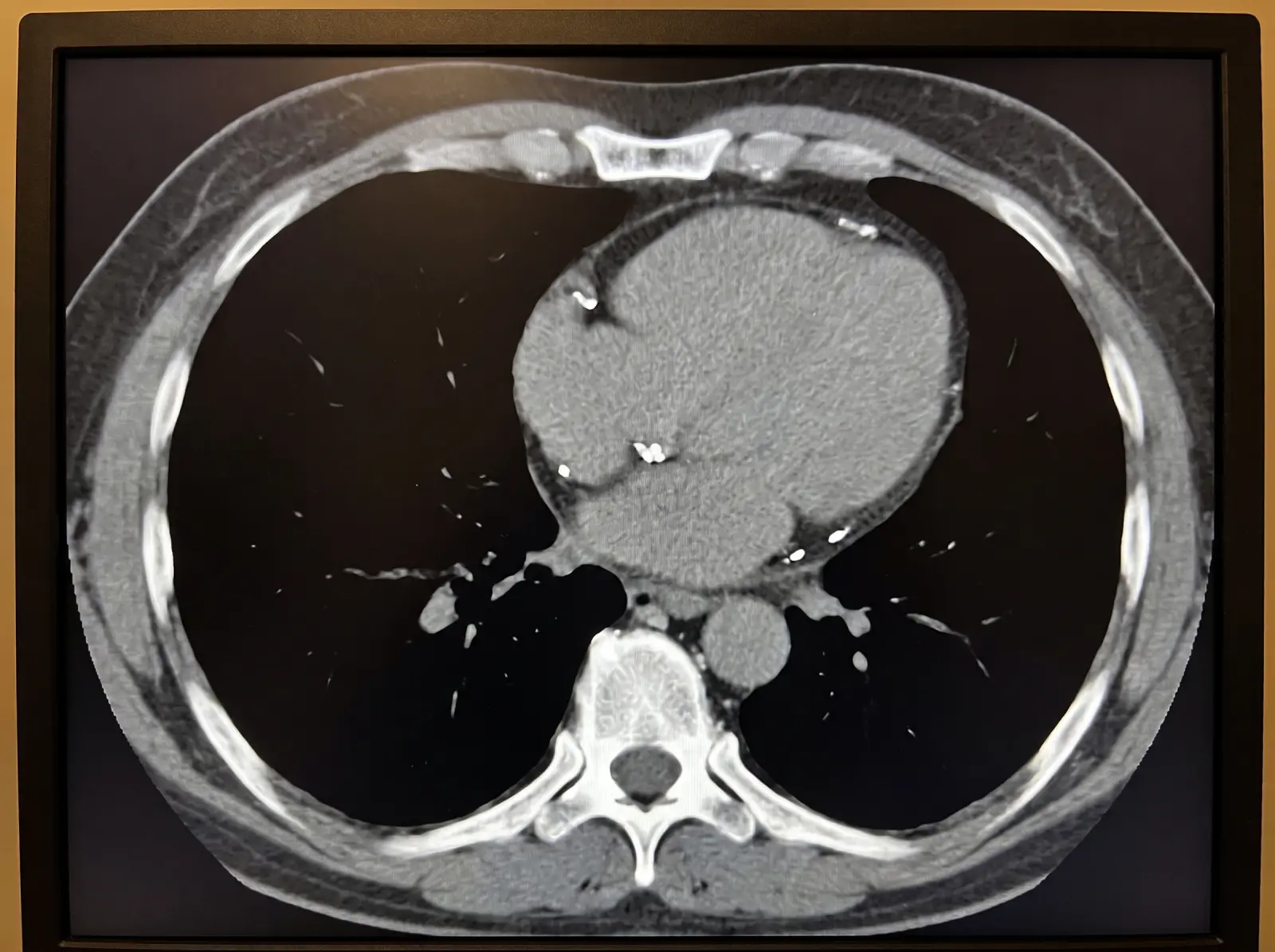
What Happens During a CT Calcium Score Test?
A CT calcium score test generally follows these steps:
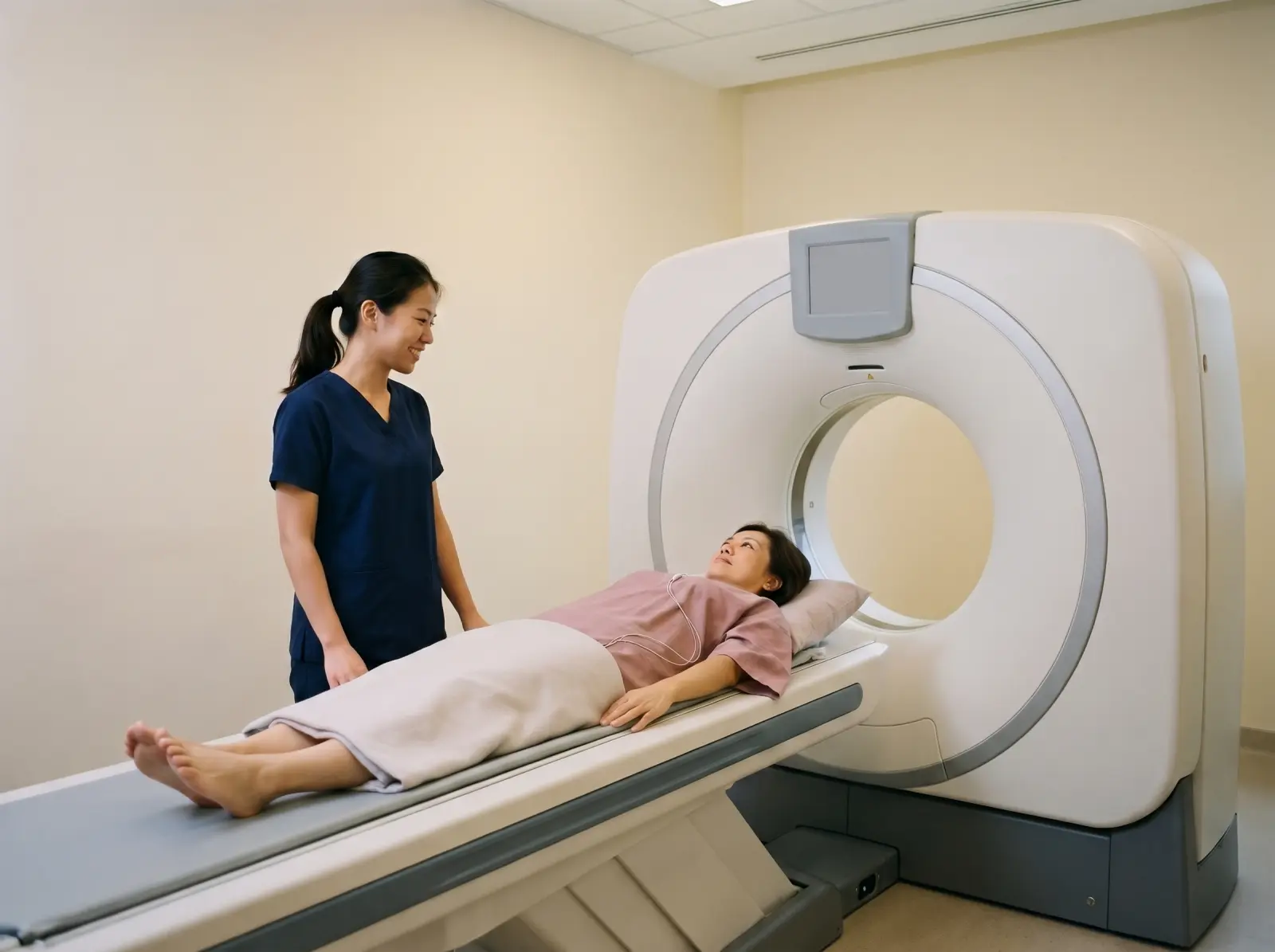
- Getting ready – after changing into a medical gown, you lie on the scanner table, and small electrode patches are placed on your chest so the images can be matched to your heartbeat
- Scanning – the table moves you into the CT scanner, which captures high-resolution images, and you may need to hold your breath for a few moments to keep them sharp
- Radiologist review – the images are checked by a radiologist (a doctor trained to read scans), who measures the calcium in your coronary arteries to give your score
- Doctor review – your score is explained to you by a doctor, including how it ranks for your age and sex, along with any preventive steps such as lifestyle changes
How Long Does a CT Calcium Score Take?
A CT calcium score visit usually takes 30 to 60 minutes at off-peak hours, from arrival until the test is complete. To arrange a suitable appointment time, please contact our clinic team via WhatsApp.
How Do I Prepare for a CT Calcium Score Test?
The main preparation for a CT calcium score test is to avoid caffeine, including coffee, and strenuous exercise for several hours beforehand, since both can affect your heart rate. A few other steps can help on the day:
- Wear clothes that are easy to remove – you will change into a medical gown for the scan
- Remove metal items – jewellery, hairpins and spectacles need to come off for the scan, so leave what you can at home
Prior to your appointment, our staff will inform you of the full preparation steps.
What Do Your CT Calcium Score Results Mean?
Your CT calcium score results are given as a number, where 0 means no calcium was detected and a higher score means more calcified plaque, which is linked to a greater risk of heart problems. Each calcium score range generally reflects a different amount of plaque and level of risk:
| Score | What It Means |
|---|---|
| 0 | No detectable calcium, with a very low short-term risk of heart disease |
| 1 to 99 | Mild plaque, with some increase in the risk of heart disease |
| 100 to 299 | Moderate plaque, linked to an increased risk of heart disease |
| 300 and above | Extensive plaque, linked to a moderately to severely increased risk of heart disease |
Calcium Score Percentile by Age
Your calcium score percentile ranks your result against people of your own age and sex. A higher percentile shows that you have more calcified plaque than others in that group.
Calcium tends to build up as you get older. This means the same score can be high for a younger adult but close to average for an older one.
The table shows how scores are read for adults in their 40s, 50s and 60s, and for those aged 70 and above:
| Age Group | What Is Typical | How Your Score Is Read |
|---|---|---|
| 40 to 49 | Most people have little or no calcification | A score above 100 is considered high |
| 50 to 59 | Plaque becomes more common | A score over 100 suggests a higher lifetime risk |
| 60 to 69 | Many people have some calcification | Higher scores strongly suggest a raised risk of coronary artery disease |
| 70 and above | Calcification is common | Your percentile helps to show your risk compared with others your age |
A score of 0 is the best result at every age, though what counts as normal differs between age groups.
Cost of a CT Calcium Score Test in Singapore
At Singapore Women's Clinic, we offer CT calcium score testing together with other heart tests. Our prices are as follows:
| Test | Price* |
|---|---|
| Consultation | From $49.05 |
| CT Calcium Score | $403.30 |
| ECG | $49.05 |
| Treadmill Stress Test with ECG | $218 |
| CT Coronary Angiogram | $1,384.30 |
| Ultrasound Carotid Intima-Media Thickness (CIMT) Test | $163.50 |
*All prices are NETT and inclusive of GST.
Payment Options We Accept


Without a referral letter or radiology order form (a doctor's request for the scan), you will first need a consultation with our doctor. All CT scans are done at our Orchard clinic, and you can book one through any of our clinics.
You may be able to use MediSave for a CT scan if a doctor assesses that the scan is needed to diagnose a condition.
Why Patients Choose Singapore Women's Clinic

Certified Family Physicians
Certified doctors experienced in lifestyle medicine, chronic disease management and preventive care.

One-Stop Medical Care
Consultation, imaging and lab tests, all under one roof.

Convenient Locations
Clinics within walking distance of Orchard, Tanjong Pagar, Jurong East and Novena MRT.
Where to Get a CT Calcium Score Test in Singapore?
Do note that the CT calcium score test is carried out at our Orchard clinic only.