Iron Infusion Singapore
Low Iron Levels, Replenished Directly
Conveniently located in Orchard, Tanjong Pagar, Jurong East & Novena

Medically Reviewed By: Dr Jana Lim, Board-Accredited Family Physician
Board-Accredited Family Physician | MBChB, MMed (FM)
MBChB, MMed (FM) | Last updated:
What Is an Iron Infusion?
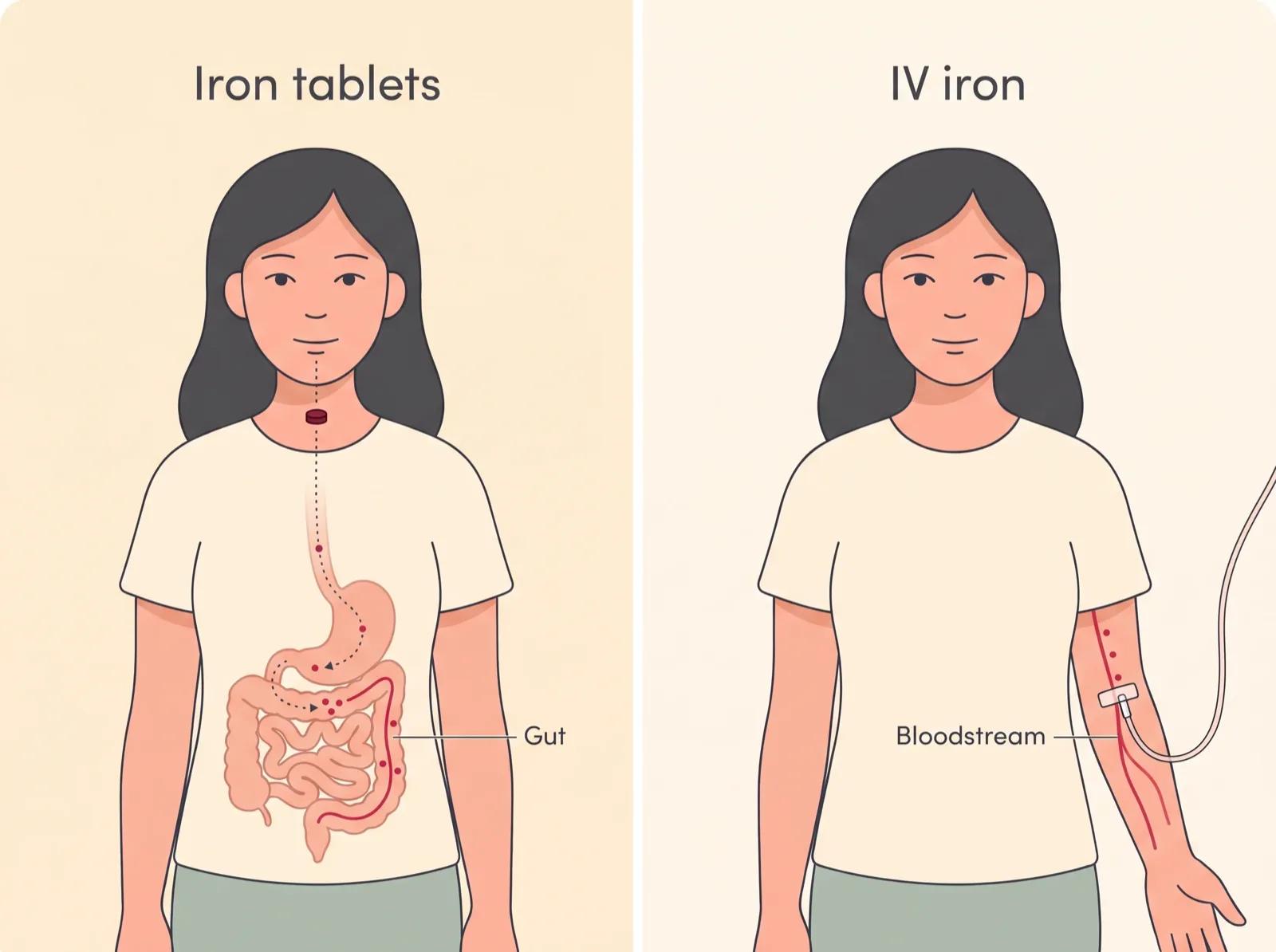
An iron infusion is a treatment that delivers iron straight into your bloodstream through a
drip in a vein, usually in your arm. It is also called an intravenous (IV) iron infusion.
It is mainly used to treat a low red blood cell count caused by too little iron, known as iron
deficiency anaemia, when iron tablets are not suitable.
Iron Infusion vs Iron Tablets
An IV iron infusion gives iron through a vein and is performed at a clinic, while iron tablets are taken by mouth and absorbed through your gut. Iron tablets are usually the first-line treatment for iron deficiency, but they can take time to raise your iron levels.
Iron Infusion Benefits
The benefits of an iron infusion come from the iron going straight into your bloodstream instead of through your gut:
- Faster rise in iron levels – tiredness and breathlessness may ease sooner than with tablets
- Suitable when tablets do not work for you – useful if a condition such as inflammatory bowel disease reduces how much iron your gut can absorb, or if iron tablets cause stomach side effects
Types of Iron Infusion
The main types of iron infusion are ferric derisomaltose, ferric carboxymaltose and iron sucrose, and they differ mainly in how much iron can be given at each session:
- Ferric derisomaltose – a large dose can be given in a single infusion, so one session may be enough
- Ferric carboxymaltose – a smaller maximum dose can be given per infusion than ferric derisomaltose, so a larger dose is usually split into two sessions at least a week apart
- Iron sucrose – only a small amount of iron can be given at each session, so several visits are usually needed
When Do You Need an Iron Infusion?
You may need an iron infusion if you have iron deficiency and one of the following applies:
- Low iron levels that have not improved with iron tablets
- Side effects from iron tablets, or difficulty absorbing them
- Ongoing blood loss, such as from heavy periods
- Severe iron deficiency anaemia, where iron levels need to rise quickly
- Long-term conditions such as chronic kidney disease or inflammatory bowel disease
Iron deficiency happens when your body does not have enough iron to make haemoglobin, the protein in red blood cells that carries oxygen around your body. It is common in women with heavy periods and during pregnancy.
Signs of Iron Deficiency
Signs of iron deficiency include:
- Tiredness and weakness
- Pale skin
- Shortness of breath
- Dizziness and headaches
- Difficulty concentrating
- Cold hands and feet
- Brittle nails and thinning hair
These signs can have other causes, so a blood test helps to confirm iron deficiency. A full blood count measures your haemoglobin, and an iron deficiency profile measures your iron levels, including ferritin (your stored iron). A low ferritin level can show iron deficiency even when your haemoglobin is normal.
Considering an iron infusion? Our doctors can check whether you need one with a blood test and talk you through your treatment options.
WhatsApp Us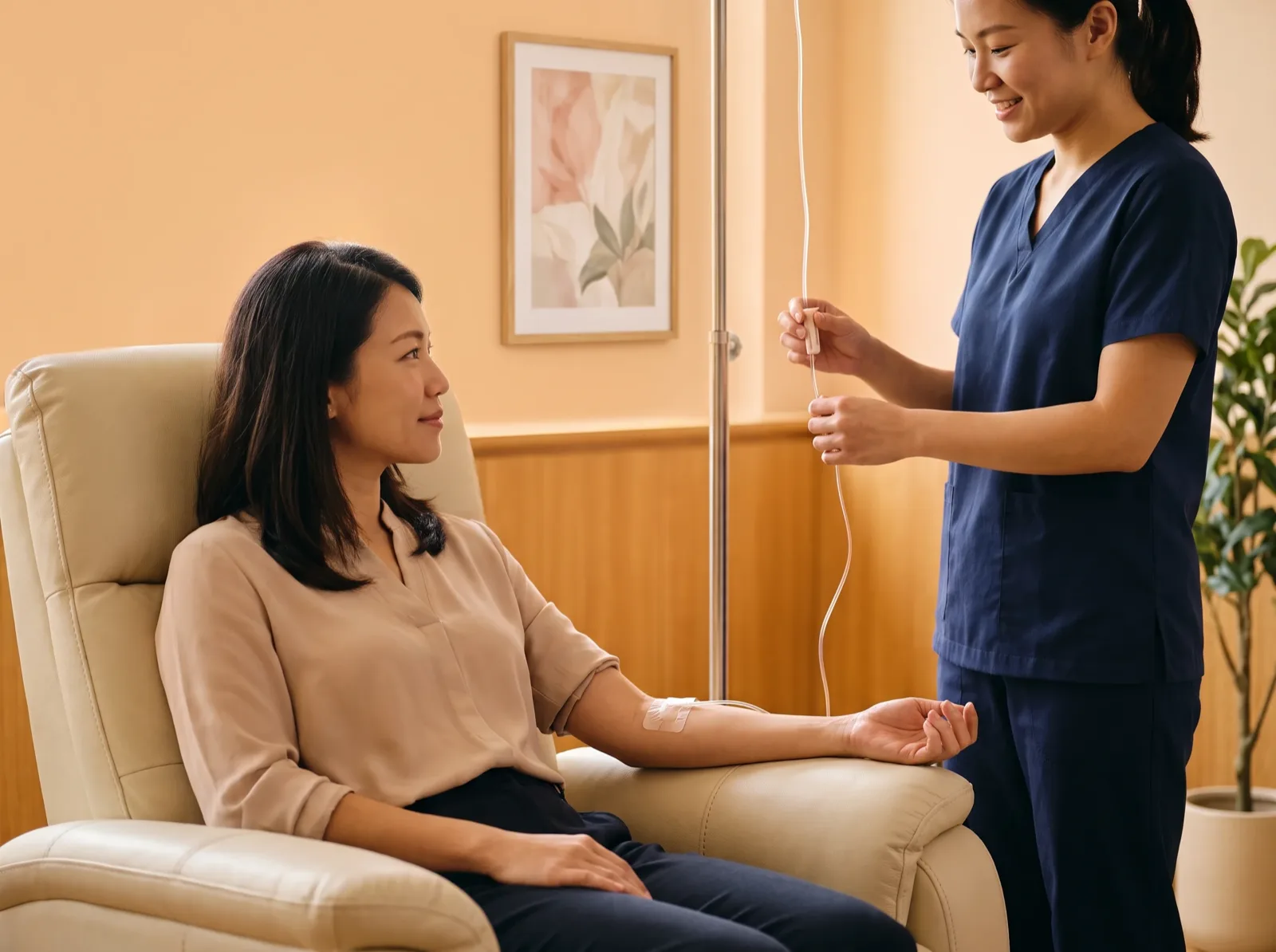
What Happens During an Iron Infusion?
An iron infusion session involves the following steps:
- A blood test is done first if needed, and your dose is worked out from the results and your body weight.
- The iron is given through a drip into a vein, usually in your arm.
- Our team monitors you during and after the infusion for any reaction.
It is advised to get up slowly afterwards to prevent dizziness. Avoid strenuous activity immediately after your infusion. Always follow any aftercare instructions given by your clinic.
How Long Does an Iron Infusion Take?
An iron infusion session can take from 15 minutes to several hours, depending on the type and dose of iron used. Your visit takes longer than the infusion itself, as our team monitors you for a period afterwards.
How Long After an Iron Infusion Will I Feel Better?
Many people start to feel better within a few days to a week after an iron infusion, typically with more energy and less breathlessness. Your iron stores and symptoms can take several weeks to recover fully.
Iron Infusion Dosage
The iron infusion dosage depends on your haemoglobin (Hb) level, your body weight and the type of iron used. At Singapore Women's Clinic, we use ferric derisomaltose, which is given at the following usual doses:
| Hb (g/dL) | Body weight 50 to <70 kg | Body weight ≥70 kg |
|---|---|---|
| ≥10 | 1,000 mg | 1,500 mg |
| <10 | 1,500 mg | 2,000 mg |
If you weigh under 50 kg, your dose is calculated from your body weight. Your dose is confirmed once your blood test results are reviewed.
How Many Iron Infusions Do You Need?
The number of iron infusions you need depends on your dose and the type of iron used, and in
many cases one or two sessions are enough to restore your iron levels. The effect of an infusion can last
several months.
More sessions may be needed if the cause of your iron deficiency continues, such as heavy periods. Eating a
balanced diet with iron-rich foods,
such as leafy greens, lean meat and beans, can help to maintain your iron levels afterwards.
Potential Iron Infusion Side Effects
Iron infusion side effects are usually mild and can include:
- Headache
- Dizziness
- Nausea
- Muscle or joint pain
- Pain or bruising where the drip was placed
Paracetamol can be taken for headache or pain if needed.
How Long Do Iron Infusion Side Effects Last?
If you experience iron infusion side effects, most pass within a few hours to a couple of days. A
serious allergic reaction
called anaphylaxis is uncommon but can occur, with symptoms such as a swollen face, difficulty breathing or a
rash.
Any reaction during the monitoring period can be treated straight away at the clinic. Let your doctor know if
any side effect is severe or does not go away.
Disclaimer: This information is for general purposes only and is not medical advice. Please discuss any concerns about side effects with your doctor.
Iron Infusion Cost in Singapore
At Singapore Women's Clinic, we provide blood tests for iron deficiency and treatment with iron supplements or an iron infusion. Our prices are as follows:
| Test / Treatment | Price* |
|---|---|
| Consultation | From $49.05 |
| Iron Deficiency Treatment | |
| Oral Iron Supplement | $65.40 per box (based on 3 months' supply) |
| Intravenous (IV) Iron Infusion (Monofer®) | $490.50 per 500 mg |
| Deficiency Testing | |
| Full Blood Count | $17.44 |
|
Iron Deficiency Profile Screen
Iron, Total Iron Binding Capacity, % Iron Saturation, Ferritin
Iron, Total Iron Binding Capacity, % Iron Saturation, Ferritin
|
$52.32 |
|
Deficiency Screen
Folate, Vitamin B12, Vitamin D, Iron, Total Iron Binding Capacity, % Iron Saturation, Ferritin
Folate, Vitamin B12, Vitamin D, Iron, Total Iron Binding Capacity, % Iron Saturation, Ferritin
|
$161.32 |
|
Comprehensive Deficiency / Hair Loss Screen
Folate, Vitamin B12, Vitamin D, Iron, Total Iron Binding Capacity, % Iron Saturation, Ferritin, Zinc, Magnesium, Free T4, TSH
Folate, Vitamin B12, Vitamin D, Iron, Total Iron Binding Capacity, % Iron Saturation, Ferritin, Zinc, Magnesium, Free T4, TSH
|
$263.78 |
*Prices are NETT and inclusive of GST.
Payment Options We Accept


Why Patients Choose Singapore Women's Clinic

Certified Family Physicians
Certified doctors experienced in lifestyle medicine, chronic disease management and preventive care.

One-Stop Medical Care
Consultation, imaging and lab tests, all under one roof.
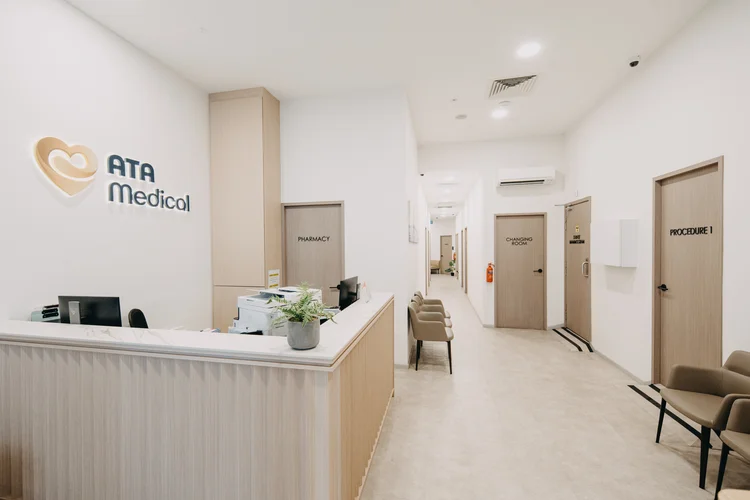
Convenient Locations
Clinics within walking distance of Orchard, Tanjong Pagar, Jurong East and Novena MRT.