Candidiasis: Symptoms, Causes, and Treatment

Gentle Care for Yeast Infections
Conveniently located in Orchard, Tanjong Pagar, Jurong East & Novena

Medically Reviewed By: Dr Jana Lim, Board-Accredited Family Physician
Board-Accredited Family Physician | MBChB, MMed (FM)
MBChB, MMed (FM) | Last updated:
What Is Candidiasis?
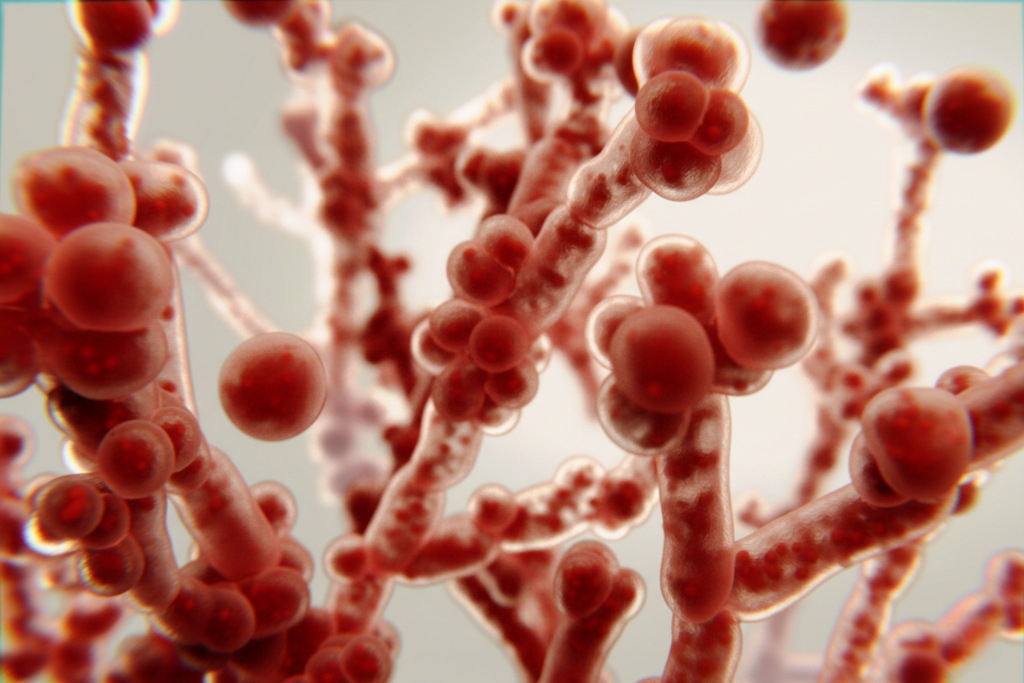
Candidiasis is a fungal infection caused by an overgrowth of Candida yeast, most often Candida albicans.
Candida lives naturally on the skin and in the mouth, digestive tract and genital area, where it usually causes no harm. Helpful bacteria and a healthy immune system normally keep it in check, and it tends to overgrow only when these natural defences fall out of balance.
Antibiotic use, hormonal changes, high blood sugar and weakened immunity are common triggers for that imbalance. The resulting overgrowth can cause irritation, discomfort and inflammation, which may interfere with everyday activities such as eating, sleeping or sex.
What Are the Types and Symptoms of Candidiasis?
Candidiasis can occur in different parts of the body, and its symptoms vary according to where the infection develops. The most frequently seen types include vaginal, oral, skin-related (cutaneous), and invasive forms.
| Type | Description | Symptoms |
|---|---|---|
| Vaginal candidiasis | Results from an overgrowth of Candida in the vaginal tract, often triggered by hormonal shifts, antibiotic use, or moisture retention. |
|
| Oral candidiasis (thrush) | Affects the mouth and throat, more common among infants, older adults, or individuals using inhaled steroids or antibiotics. |
|
| Cutaneous candidiasis | Appears on moist areas of the skin such as under the breasts, groin, or armpits. |
|
| Invasive candidiasis | A severe form where the fungus enters the bloodstream and can spread to internal organs, seen mainly in hospitalised or immunocompromised individuals. |
|
What Causes Candidiasis Infection?
Candidiasis develops when the balance between fungi and bacteria in the body is disrupted, allowing yeast to multiply unchecked. Common factors that encourage this imbalance include:
- Antibiotic use — Certain antibiotics can destroy helpful bacteria, allowing yeast to multiply more easily.
- Hormonal influence — Pregnancy, hormonal therapy, or oral contraceptives can alter vaginal flora and increase fungal activity.
- Moisture and heat — Wearing tight or damp clothing and inadequate drying of skin folds can trap moisture, creating ideal conditions for fungal proliferation.
- High blood sugar — Uncontrolled diabetes creates a glucose-rich environment that supports yeast growth.
- Weakened immunity — Conditions like HIV infection or treatments such as chemotherapy and corticosteroids can compromise immune defences.
- Sexual activity — Though not classified as a sexually transmitted infection (STI), yeast infections can occasionally develop or recur after sexual contact.
How Is Candidiasis Diagnosed?
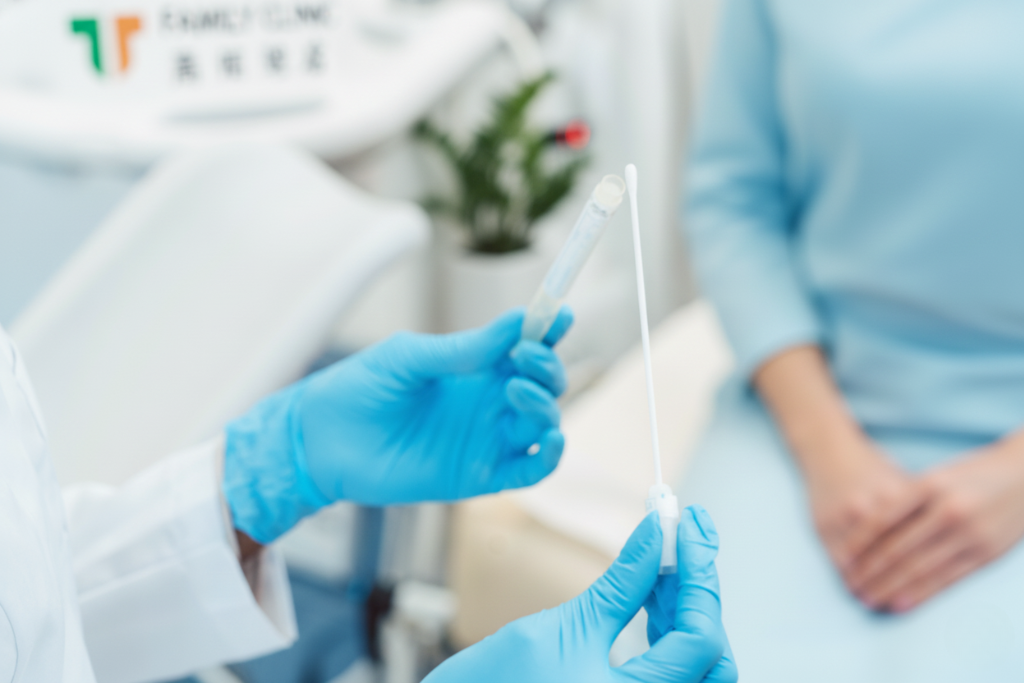
Diagnosis of candidiasis involves identifying the presence of Candida in the affected area
through clinical examination and laboratory tests.
A sample from the skin, mouth, or genital area may be examined under a microscope or
cultured to detect fungal elements. In suspected invasive cases, blood cultures or
specialised tests such as β-D-glucan can help confirm
systemic infection.
For genital symptoms, a pelvic examination and swab test are used to distinguish yeast
infection from other causes of vaginal discomfort, such as bacterial vaginosis or
trichomoniasis.
What Is the Treatment for Candidiasis?
Treatment for candidiasis focuses on relieving symptoms, eliminating the fungal infection, and reducing the risk of recurrence. The type of medication used depends on the affected area and the severity of the condition.
- Topical antifungals — Creams, ointments, or vaginal pessaries containing agents such as clotrimazole or miconazole are typically used for mild skin or genital infections.
- Oral antifungals — Medications such as fluconazole may be prescribed for more extensive or recurrent infections.
Invasive candidiasis requires intravenous antifungal treatment in a hospital setting to better manage the infection.

How Can You Prevent Candidiasis Infection?
Candidiasis can be prevented by maintaining habits that discourage fungal growth and
support the body's natural balance.
Helpful measures include:
- Keeping the genital and skin areas clean and thoroughly dry after bathing.
- Wearing breathable cotton undergarments and avoiding tight or non-absorbent clothing.
- Avoiding scented soaps, feminine sprays, or douching products that disrupt the vagina's natural environment.
- Taking antibiotics only when prescribed and following the full course as directed.
- Managing blood sugar levels carefully, particularly if you have diabetes.
When Should You Seek Medical Attention for Candidiasis?
Medical evaluation is recommended if symptoms persist, recur often, or do not improve with over-the-counter remedies. It is also important to seek advice if:
- Infections keep returning despite prior treatment.
- You experience fever, fatigue, or discomfort suggesting the infection may have spread.
- You have a health condition that affects your immune system.
Symptoms not settling or keep returning? A swab test can confirm candidiasis and rule out other causes. Our doctors can help you find out what is behind your symptoms.
WhatsApp UsHow Much Does Candidiasis Testing & Treatment Cost?
At Singapore Women's Clinic, testing and treatment for candidiasis are available as part of our comprehensive diagnostic and women's health services.
| Test / Treatment | Price* |
|---|---|
| Consultation | From $49.05 |
|
DNA Probe/Multiplex Real Time PCR for Vaginitis – Swab Test
Gardnerella vaginalis, Candida albicans and Trichomonas vaginalis
Gardnerella vaginalis, Candida albicans and Trichomonas vaginalis
|
$147.15 |
| STD Screening Packages | |
|
Basic Female Genital Screen (5 tests) – Swab Test
Chlamydia PCR, Gonorrhoea PCR, Candida, Gardnerella Vaginosis, Trichomonas
Chlamydia PCR, Gonorrhoea PCR, Candida, Gardnerella Vaginosis, Trichomonas
|
$268 |
|
Enhanced Female Genital Screen (9 tests) – Swab Test
Chlamydia, Gonorrhoea, Mycoplasma genitalium, Mycoplasma hominis, Trichomonas, Ureaplasma parvum, Ureaplasma urealyticum, Candida, Gardnerella Vaginosis
Chlamydia, Gonorrhoea, Mycoplasma genitalium, Mycoplasma hominis, Trichomonas, Ureaplasma parvum, Ureaplasma urealyticum, Candida, Gardnerella Vaginosis
|
$348 |
|
Complete Female STD Screen (15 tests) – Blood + Swab Test
HIV, Syphilis, Hepatitis B, Hepatitis C, Herpes Simplex Virus 1 and 2, Chlamydia, Gonorrhoea, Mycoplasma genitalium, Mycoplasma hominis, Trichomonas, Ureaplasma parvum, Ureaplasma urealyticum, Candida, Gardnerella Vaginosis
HIV, Syphilis, Hepatitis B, Hepatitis C, Herpes Simplex Virus 1 and 2, Chlamydia, Gonorrhoea, Mycoplasma genitalium, Mycoplasma hominis, Trichomonas, Ureaplasma parvum, Ureaplasma urealyticum, Candida, Gardnerella Vaginosis
|
$478 |
| Treatment | |
| Topical Antifungal Cream | From $10.90 |
| Antifungal Pessary | $59.95 for full course of treatment(Full course) |
| Oral Antifungal Medication | From $1.41 per tab |
*All prices are NETT and inclusive of GST.
Payment Options We Accept


We provide private and confidential STI testing, which can be
done as an individual test or
included within a comprehensive screening package. Treatment is also available where
needed. You may request to see a female doctor for your comfort, subject to availability.
For more information or to make an appointment, please get in touch
with us directly.
Why Choose Our Sexual Health Services?
Same-Day Testing Available
We offer same-day appointments for STD screening, with female doctors available.
Discreet & MOH-Registered
As a licensed medical clinic, we provide confidential care in a respectful environment.
Non-Judgemental Care
You can speak openly about your sexual health with our doctors, without fear or assumptions about your lifestyle or history.