Liraglutide: A Guide to Uses & Side Effects
Key Takeaways
- Liraglutide is a once-daily GLP-1 receptor agonist injection, available only on prescription in Singapore.
- It helps curb appetite, slow stomach emptying, raise insulin when blood sugar is high and lower glucagon.
- Treatment typically starts at a low dose, which is raised gradually to suit each patient.
- Commonly reported side effects include nausea and stomach upsets, and it is generally not prescribed for type 1 diabetes or gastroparesis.

Medically Reviewed By: Dr Jana Lim, Board-Accredited Family Physician
Board-Accredited Family Physician | MBChB, MMed (FM)
MBChB, MMed (FM) | Last updated:
What Is Liraglutide?
Liraglutide is a prescription injectable medication from a group of drugs called GLP-1 receptor agonists. It acts like glucagon-like peptide-1, a hormone the body makes naturally, to help keep appetite and blood sugar levels in check.
Other medicines that work on the same hormone pathway include semaglutide, dulaglutide and tirzepatide.
Liraglutide is usually prescribed as part of a comprehensive care plan rather than on its own. Alongside the medicine, the plan typically includes a healthy diet, regular exercise and other medical support.
Liraglutide Mechanism of Action: How Does It Work?
Liraglutide works by imitating a natural hormone to improve the body's management of blood sugar and appetite. It achieves this through a multi-faceted approach:
- It targets hunger centres in the brain to effectively reduce appetite, which can lead to a lower calorie intake and assist with weight management.
- It delays the process of stomach emptying, which helps you feel full for longer after meals and prevents sharp increases in blood sugar.
- It stimulates the pancreas to release more insulin when blood sugar levels are high, helping cells absorb glucose from the blood.
- It suppresses the production of glucagon, a hormone that signals the liver to release stored glucose, thereby helping to stabilise blood sugar levels.
What Are the Uses of Liraglutide?
Liraglutide may be considered for specific therapeutic purposes based on individual health needs:
| Purpose | Details |
|---|---|
| Appetite and Satiety Regulation |
Used alongside diet and exercise to support long-term appetite regulation in
adults.
Typically considered for adults who have:
|
| Blood Sugar Regulation |
To support more stable glucose levels.
Typically considered for:
|
Liraglutide Dosage and Administration
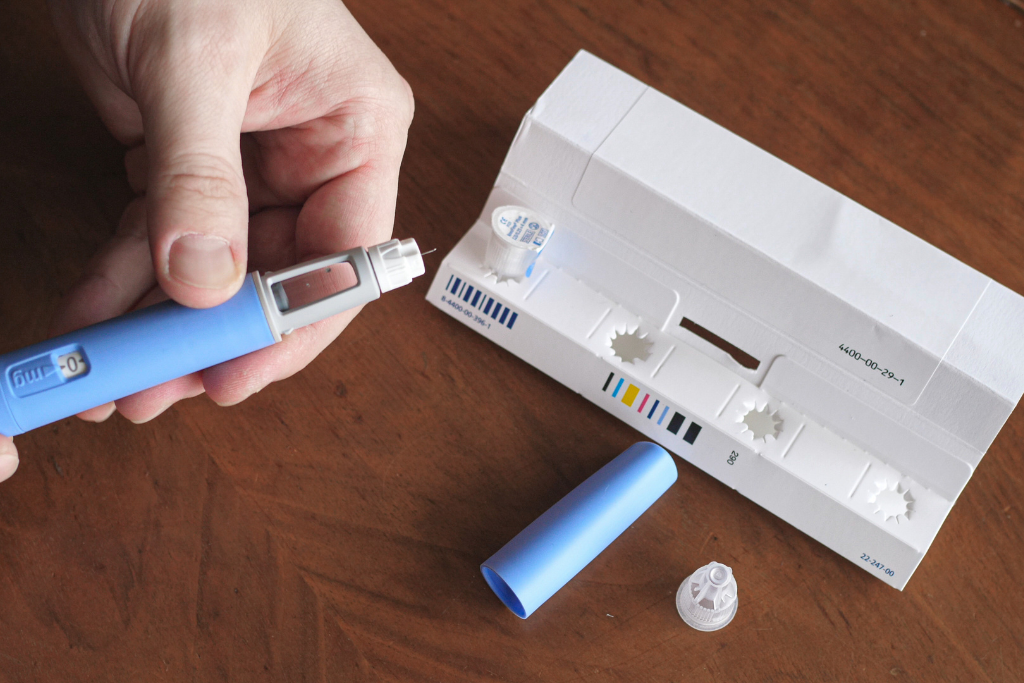
Liraglutide is administered as a once-daily injection just under the skin
(subcutaneously), with common injection sites being the thigh, abdomen, or upper arm.
The dosage varies depending on the purpose it is being used for and is adjusted based on individual
response and treatment goals.
- Starting dose — Typically 0.6 mg per day
- Dose titration — Gradually increased at weekly intervals to improve tolerance
- Maintenance dose — Determined by the prescribing doctor based on clinical assessment, up to a maximum of 3.0 mg daily
Disclaimer: This information is for general reference only and should not replace professional medical guidance.

"Daily dosing gives us more flexibility to adjust gradually, which can help reduce side effects in the early stages. This makes it easier to find the right dose for each patient."
Dr Jana Lim
What Are Potential Side Effects of Liraglutide?
Like any medicine, liraglutide carries a risk of side effects, though many are mild and often lessen as your body adjusts to the medication. Common side effects can include:
- Gastrointestinal issues like nausea, diarrhoea, vomiting, stomach pain, or constipation
- Decreased appetite or a change in your sense of taste
- Mild reactions at the injection site, such as itching, swelling, or redness
- Tiredness or low energy
- Slightly elevated heart rate
While most side effects are not serious, you should seek medical attention immediately if you experience severe symptoms:
- Intense and persistent abdominal pain, which could be a sign of pancreatitis.
- Signs of gallbladder issues, such as pain in the upper right abdomen, nausea, or jaundice (yellowing of the skin or eyes).
- An allergic reaction involving a rash, difficulty breathing, or swelling.
Disclaimer: This is not a complete list of side effects. Always consult your doctor if you have any concerns.
Who Should Not Use Liraglutide?
Liraglutide is not appropriate for every person, and its use is contraindicated in certain individuals. It is generally not prescribed to people with:
- Personal or family history of specific thyroid cancers, such as medullary thyroid carcinoma, or by those with Multiple Endocrine Neoplasia syndrome type 2 (MEN2), due to a potential risk of tumours.
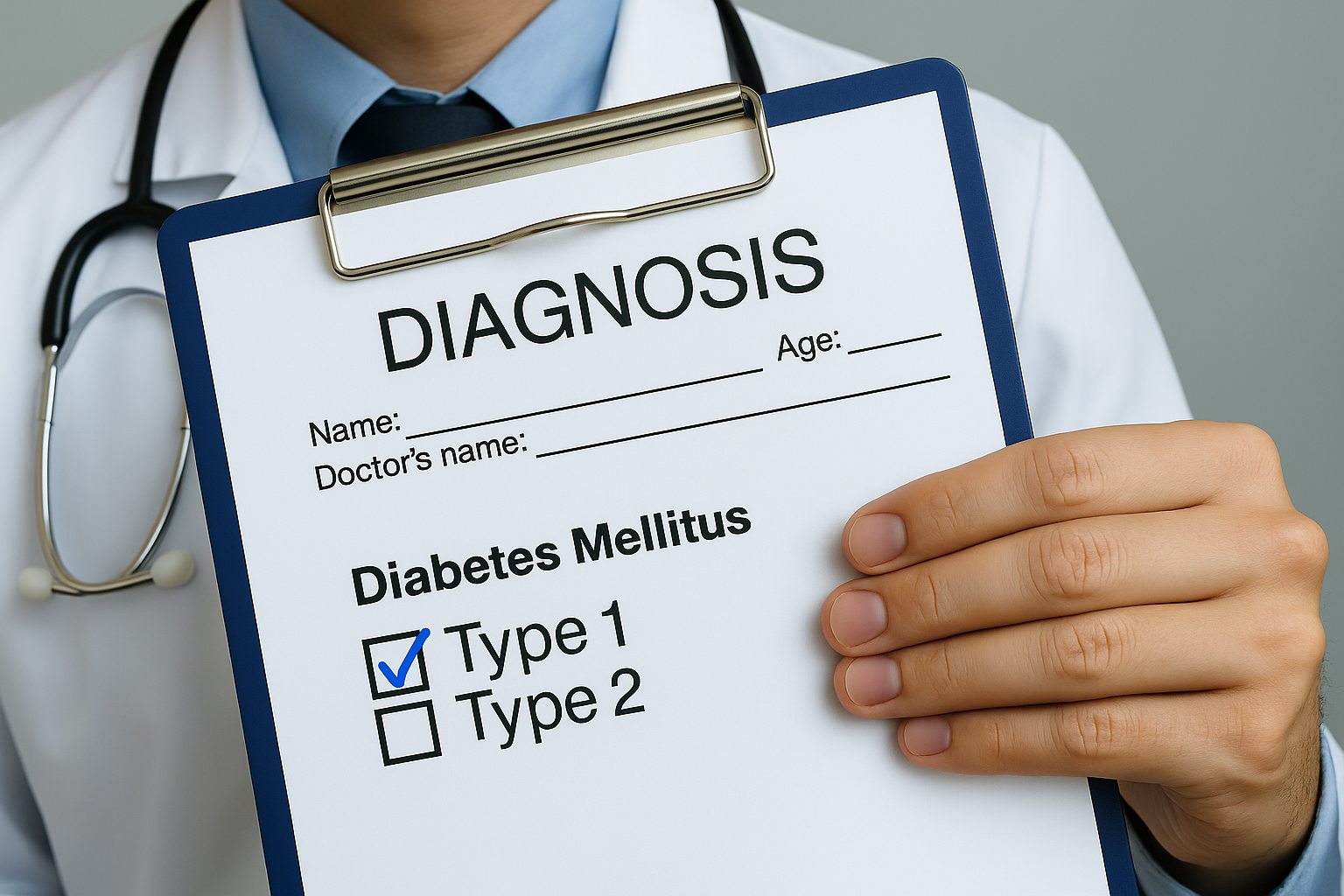
- Type 1 diabetes, because its mechanism depends on the body's ability to produce some of its own insulin, which is compromised in this condition.
- Severe digestive conditions like gastroparesis (delayed stomach emptying), as the medication can worsen the condition by further slowing down digestion.
Is Liraglutide Available Over the Counter in Singapore?
Liraglutide cannot be purchased over the counter in Singapore as it is a prescription-only
medication. You must undergo a consultation with a qualified doctor to ensure that the
medication is an appropriate treatment for your specific health needs and circumstances.
Regular follow-up appointments are also crucial for monitoring your response to the treatment and allowing
your doctor to make any necessary adjustments to your care plan.
Included With Your Treatment
As part of our weight loss programme, you will receive complimentary InBody body composition analysis during follow-up visits to monitor changes in fat mass, muscle mass preservation, and your overall progress.