HPV Test Singapore

Early Detection, Timely Follow-Up
Conveniently located in Orchard, Tanjong Pagar, Jurong East & Novena

Medically Reviewed By: Dr Jana Lim, Board-Accredited Family Physician
Board-Accredited Family Physician | MBChB, MMed (FM)
MBChB, MMed (FM) | Last updated:
What Is HPV?
Human papillomavirus (HPV) is a very common sexually transmitted infection, passed on mainly through intimate skin-to-skin contact. Rather than a single virus, HPV is a group of more than 100 related types, and each one affects the body differently.
Some types are high risk: HPV 16 and 18 in particular are strongly linked to cancers of the cervix, vulva, vagina and throat. Others are low risk and tend to cause warts, either on the genitals or on areas such as the hands and feet.
Most sexually active people are likely to get HPV at some point, yet only a small number ever develop symptoms or lasting health problems.
HPV Statistics in Singapore
HPV is a public health concern in Singapore because persistent infection with certain strains can lead to cervical cancer.
Studies show that roughly 1 in 10 healthy women carry HPV, with the highest rates seen among those aged 20 to 24.
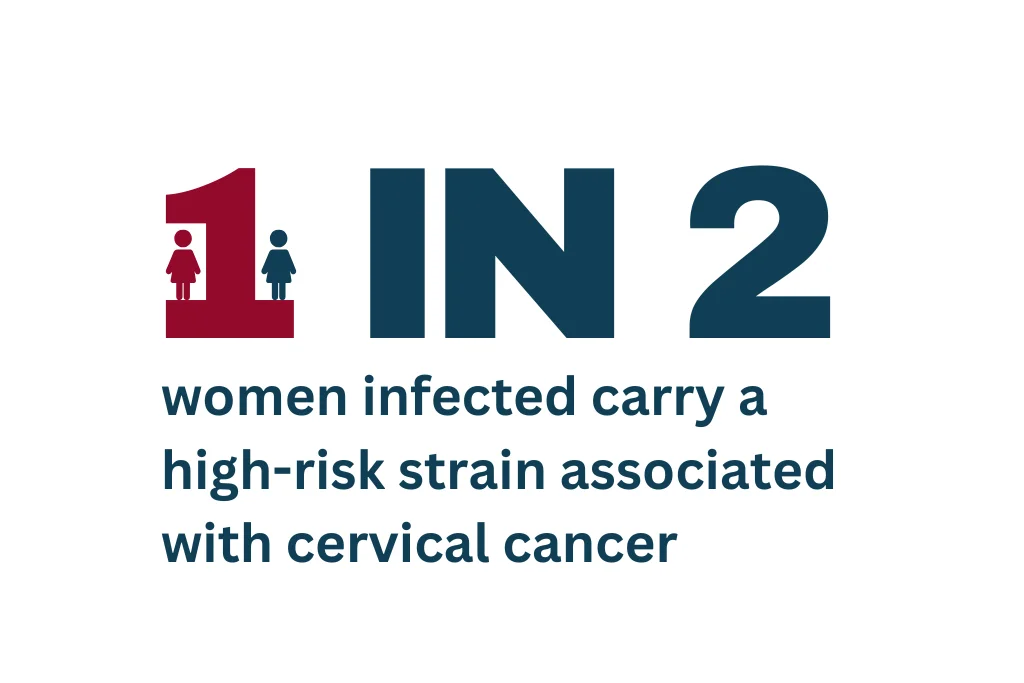
Among women who test positive, about half have a high-risk type that has known links to cervical cancer, which highlights the importance of regular screening across adulthood.
What Are Symptoms and Complications of HPV?
HPV infections often cause no symptoms at all, especially when high-risk strains are involved, so many people remain unaware that they carry the virus.
When symptoms do occur, they usually involve visible skin or genital changes. Common symptoms include:
- Genital warts that may be flat, raised or cauliflower-like
- Warts on the hands, feet or other skin surfaces
- Small clusters or singular growths that vary in size and texture
High-risk HPV strains can persist if the immune system does not clear the infection. Over time, these long-standing infections may cause gradual changes in healthy cervical cells, increasing the likelihood of precancerous changes and, in some cases, cervical cancer.
How Does HPV Spread?
HPV spreads primarily through direct skin-to-skin contact during intimate activity, including vaginal, anal and oral sex.
Contact with affected areas, warts or broken skin can also facilitate transmission, and in some cases the virus can persist on surfaces.
Several factors can increase the likelihood of acquiring HPV:
- Having multiple sexual partners or partners with higher sexual exposure
- Direct contact with infected skin, warts or mucosal areas
- A weakened immune system, including HIV infection or prolonged use of immunosuppressive medication
What Is an HPV Test?
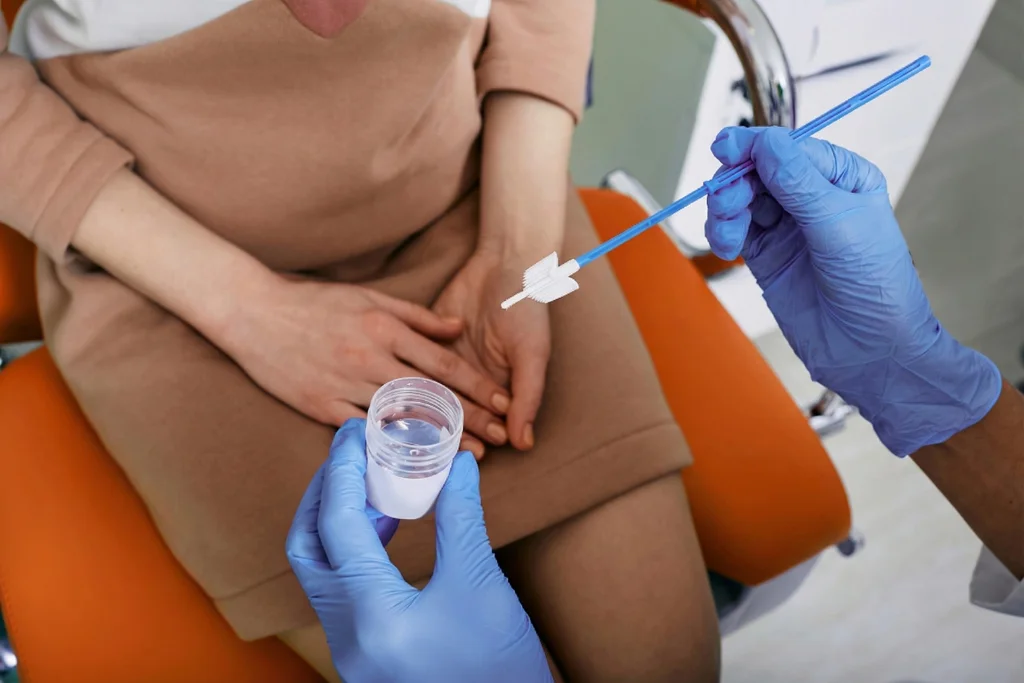
An HPV test checks for high-risk HPV DNA by collecting a small sample of cells from the cervix.
This is done by gently inserting a speculum into the vagina to allow access to the cervix, then using a soft brush to sweep the cervical surface. Discomfort is usually minimal and the procedure is brief.
The collected sample is sent to a laboratory to determine whether any high-risk strains are present.
How Long Does an HPV Test Take?
At Singapore Women's Clinic, the entire visit usually takes under 30 minutes during off-peak clinic hours. You may contact us for guidance on the most suitable time to book your appointment.
HPV Test vs. PAP Smear: What's the Difference?
An HPV test and a PAP smear serve different purposes in cervical screening. An HPV test detects high-risk HPV strains that may lead to cervical cancer, while a PAP smear examines cervical cells to check for abnormal or precancerous changes.
When both tests are performed together, they provide a more complete assessment of cervical health by identifying existing cell changes and highlighting future risk linked to persistent HPV infection.
Can HPV Be Cured?
HPV itself does not have a direct cure, although most infections clear naturally within about 2 years as the immune system gradually removes the virus.
While the virus cannot be eradicated with medication, conditions associated with HPV can be treated. Warts can be removed, precancerous cervical changes can be managed, and HPV-related cancers have their own treatment pathways when detected early.
How Often Should I Do an HPV Test?
In Singapore, routine HPV testing is recommended every 5 years for sexually active women aged 30 and above.
A PAP smear is suggested every 3 years to monitor for early cell changes. Following these intervals supports early detection of abnormalities or persistent high-risk infections.
Screening needs may differ based on personal risk factors, so it is advisable to discuss the most suitable testing frequency with your doctor.
How to Prepare for an HPV Test?
For the most precise and reliable results, it is advisable to avoid the following for 48 hours before your HPV test:
- Sexual intercourse
- Douching
- Vaginal medications
- Spermicidal products
Please confirm with your clinic or doctor on specific steps to prepare for your test.
How Can I Prevent HPV?
You can reduce the risk of HPV by reducing exposure to high-risk strains and detecting infections early. Two key strategies include:
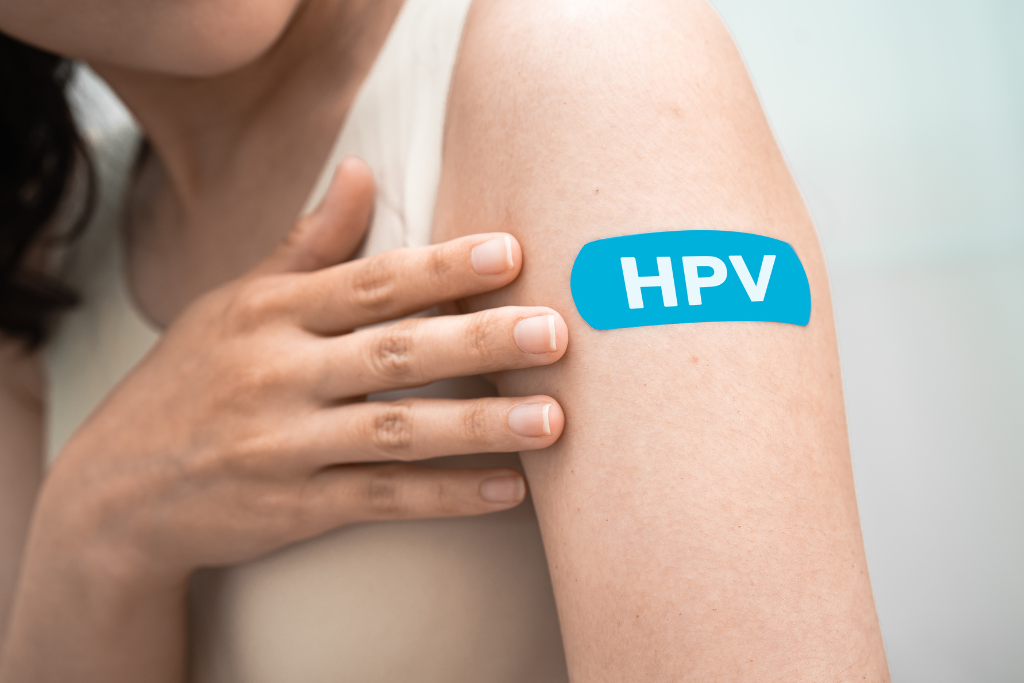
- Vaccination with options such as Gardasil 9 offers protection against several high-risk strains and those that cause genital warts. It is most beneficial before sexual activity begins, although it can still provide meaningful protection later in life.
- Regular HPV screening supports early detection of high-risk infections, allowing timely follow-up and monitoring when needed.
Combining vaccination with routine screening offers the strongest approach to safeguarding long-term cervical health.
How Much Does an HPV Test Cost?
At Singapore Women's Clinic, we provide HPV testing, PAP smears and HPV vaccination with the following prices and subsidies.
| Test / Vaccination | Price* |
|---|---|
| Walk-in | $221.27 |
| CHAS Green / Non-CHAS | $5 |
| CHAS Blue / Orange | $2 |
| Merdeka Generation (MG) / Pioneer Generation (PG) | $0 |
| Women's Health-Related Screening | |
| Pap Smear | From $0 depending on CHAS / MG / PG subsidies |
| Mammogram | $201.65 |
| Ultrasound Breast | $141.70 |
| Mammogram + Ultrasound Breast | $305.20 |
| Women Wellness Health Screening | From $152 |
| Vaccination | |
| HPV Vaccination | From $23 depending on CHAS subsidies |
*Prices are NETT and inclusive of GST.
Payment Options We Accept


If you are unsure about subsidy eligibility, please contact us for more information.
For more comprehensive testing, you may also consider our STD test packages.
Why Choose Our Sexual Health Services?
Same-Day Testing Available
We offer same-day appointments for STD screening, with female doctors available.
Discreet & MOH-Registered
As a licensed medical clinic, we provide confidential care in a respectful environment.
Non-Judgemental Care
You can speak openly about your sexual health with our doctors, without fear or assumptions about your lifestyle or history.