Mammogram Screening in Singapore
Breast Screening Matched to Your Age and Risk
Conveniently located in Orchard, Tanjong Pagar & Novena

Medically Reviewed By: Dr Jana Lim, Board-Accredited Family Physician
Board-Accredited Family Physician | MBChB, MMed (FM)
MBChB, MMed (FM) | Last updated:
What Is a Mammogram?
A mammogram is a low-dose X-ray of the breast that looks for early signs of breast cancer and other breast conditions. Changes in breast tissue can often show up on a mammogram well before they are large enough to feel during a physical examination.
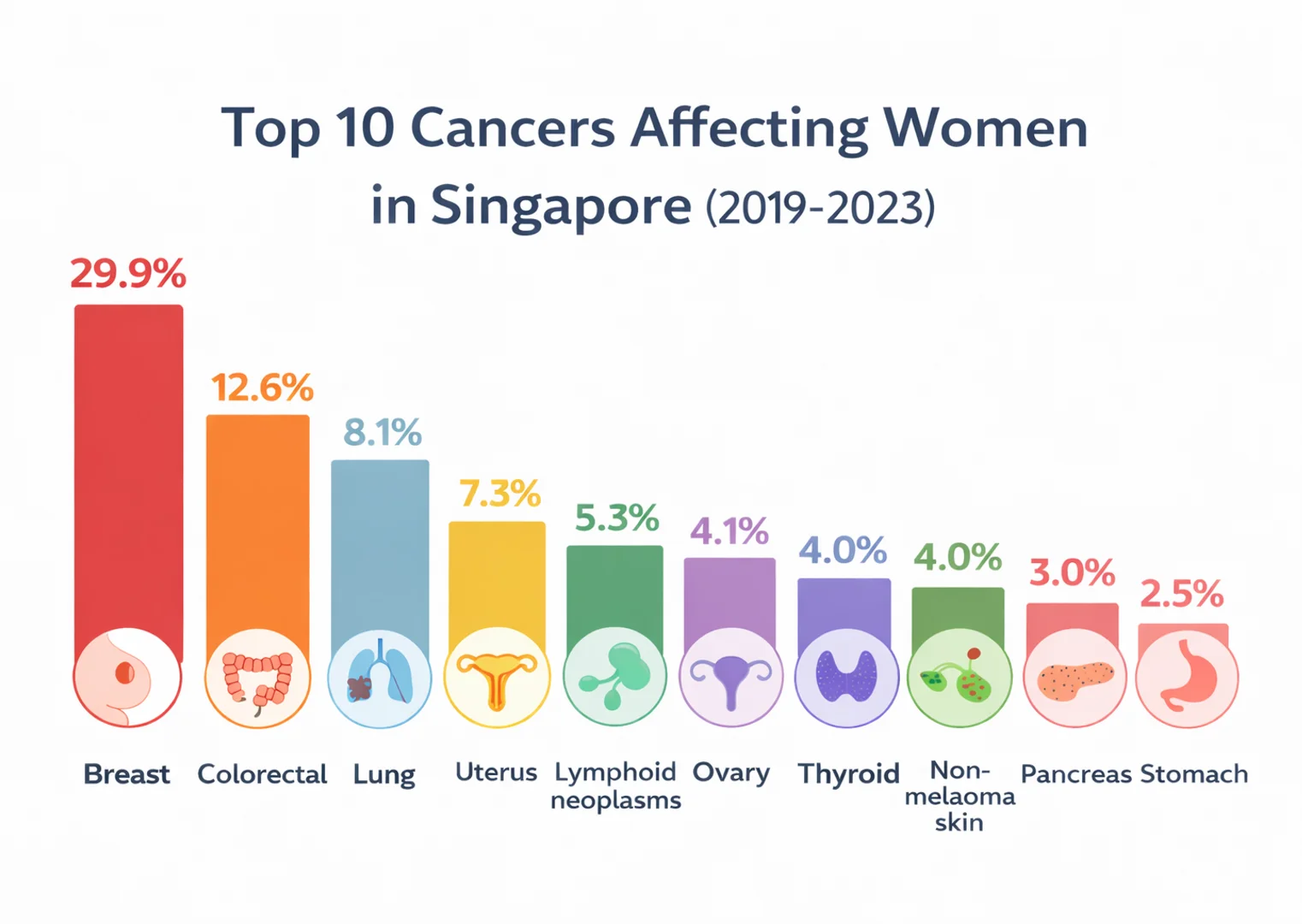
Breast cancer was the most common cancer among women in Singapore from 2019 to 2023, making up 29.9% of all female cancer cases. Mammogram screening is therefore part of the Healthier SG screening programme, alongside screening for HPV, cervical cancer, colorectal cancer and chronic diseases.
A diagnostic mammogram may sometimes be needed in addition to routine screening. This closer, more detailed examination is carried out when a specific concern arises, such as a breast lump, nipple discharge or an unusual screening result.
How Does a Mammogram Work?
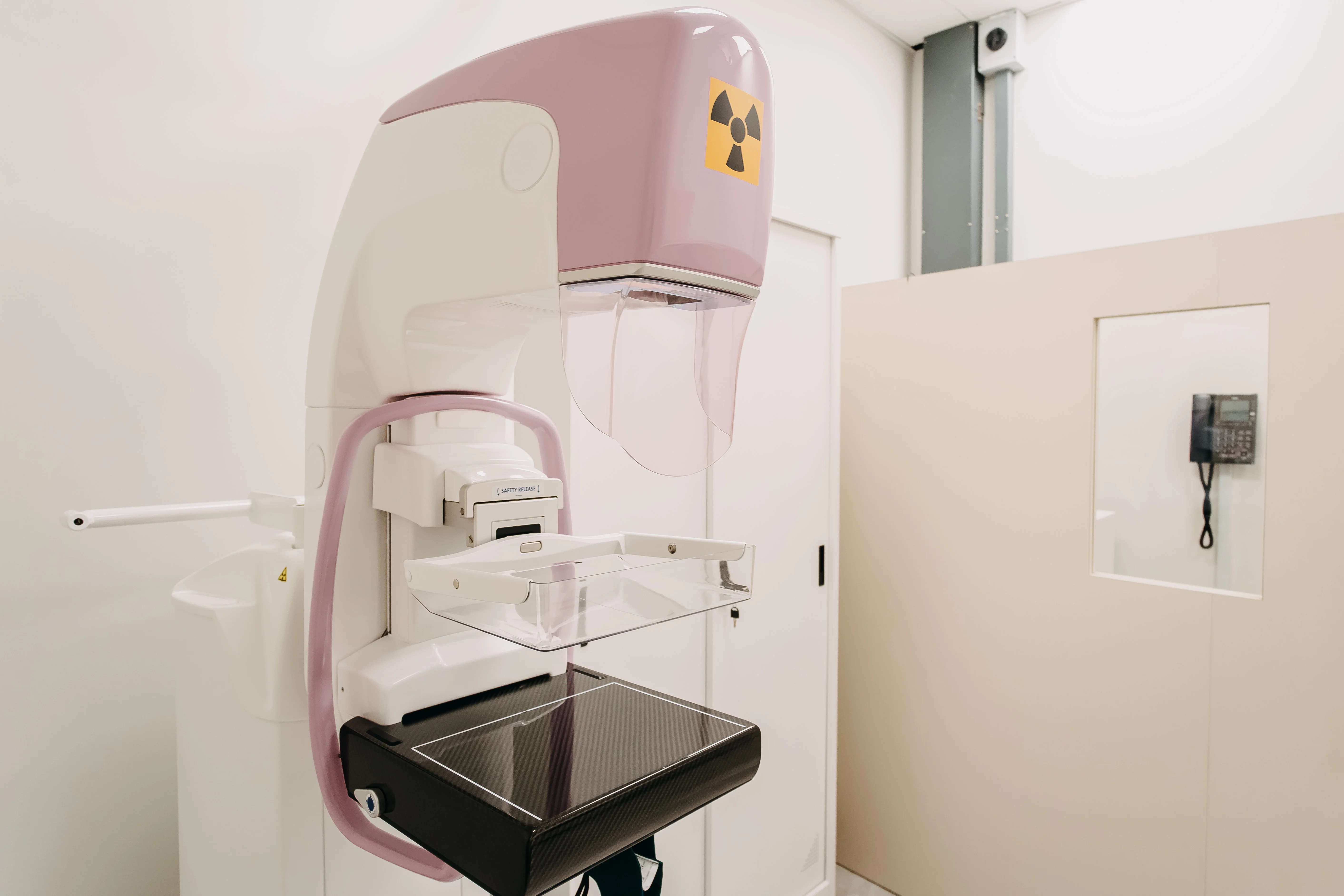
A mammogram works by passing a small amount of
ionising radiation through the breast to produce an image of
the internal tissue. The breast is positioned on a flat surface and gently compressed by a paddle to spread
the tissue evenly, which helps produce clearer images while using the lowest possible radiation dose.
The resulting image can reveal abnormal areas such as
calcifications, masses, or areas of distortion that may stand out
against the surrounding tissue. This is because different types of tissue absorb radiation at different
rates: dense tissue such as glands and connective tissue appears white on the image, while fatty tissue
appears darker.
Types of Mammograms
Mammograms are commonly performed using 2D or 3D digital mammography:
- 2D mammography captures flat images of each breast from two angles.
- 3D mammography (digital breast tomosynthesis) takes multiple thin images from different angles and reconstructs them into a three-dimensional picture, which can be particularly helpful for women with dense breast tissue.
How Often Should I Get a Mammogram?
The recommended mammogram screening schedule depends on your age and individual risk factors. In Singapore, the recommended schedule is as follows:
| Age Group | Recommended Screening Schedule |
|---|---|
| Below 40 years | Not routinely recommended (unless high-risk) |
| 40 to 49 years | Once every year |
| 50 to 74 years | Once every 2 years |
You may need earlier, more frequent, or different screening if you have:
- Known genetic mutations — BRCA1 or BRCA2 gene mutations, which are associated with a significantly higher lifetime risk of developing breast cancer.
- Previous breast conditions — prior breast cancer diagnosis or previous abnormal mammogram findings.
- A family history of related cancers — close relatives diagnosed with breast, ovarian, prostate, or colon cancer, especially if diagnosed before the age of 40.
- A history of chest radiation — radiation therapy to the chest area before the age of 30, which can increase breast cancer risk in later years.
- Breast implants or cosmetic injection augmentation — an MRI may be advised instead of a mammogram, as implanted or injected material can obscure the images.
Not sure when to start screening? Our doctors can assess your individual risk and recommend an appropriate mammogram screening schedule for you.
WhatsApp Us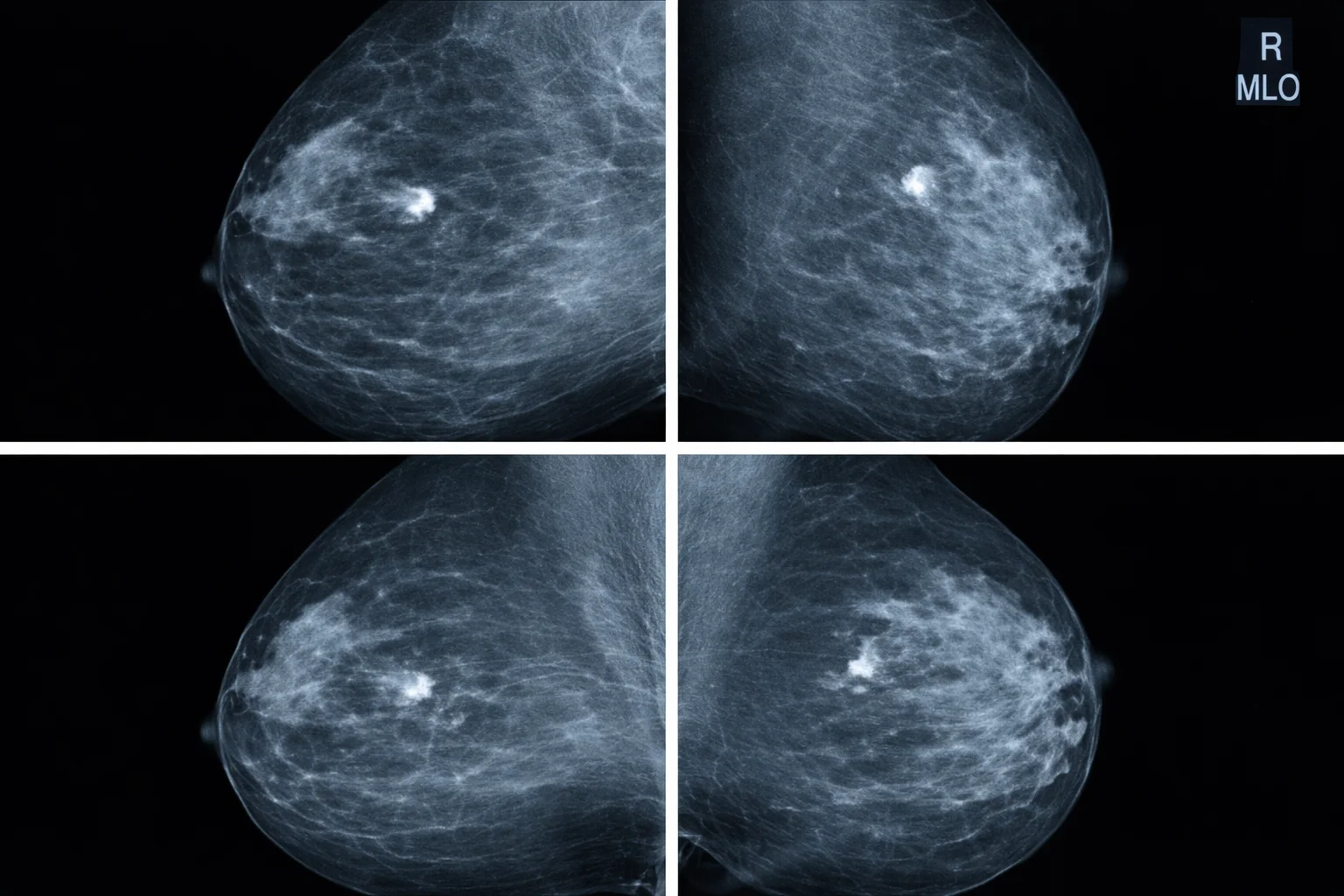
What Happens During a Mammogram?
At Singapore Women's Clinic, a mammogram typically takes around 15 to 30 minutes and is performed by a female radiographer.
Here is what you can generally expect:
- You will be asked to undress from the waist up and wear a gown. You will need to remove any jewellery, deodorant, or powder from the chest area, as these can interfere with the images.
- The radiographer will position your breast on the machine's flat surface. A compression paddle then presses down gently to spread the tissue evenly. Two images are taken, one from above (craniocaudal) and one from the side (mediolateral oblique).
- The process is repeated for the other breast.
The report will typically be ready within 72 hours and emailed to you.
Do Mammograms Hurt?
The compression may cause brief discomfort or pressure, but it should not be painful. The
compression lasts only a few seconds per image and is necessary to produce clear, accurate results. If you
find it uncomfortable, let the radiographer know so they can adjust.
Scheduling your mammogram during the first two weeks of your menstrual cycle (when breasts
tend to be less tender) may help reduce any discomfort.
How Do I Prepare for a Mammogram?
Mammograms require minimal preparation. Here are some guidelines to help you get the most accurate results:
- Avoid applying deodorant, antiperspirant, powder, lotion, or perfume to the underarm or breast area on the day of the scan, as these can appear as white spots on the images.
- Wear a two-piece outfit so you only need to remove your top.
- Bring any previous mammogram images or reports if they were done at a different facility, so results can be compared.
- If you have breast implants, inform the clinic when booking as the radiographer may need to use a modified technique.
Mammogram vs Breast Ultrasound
Mammograms and breast ultrasounds are complementary imaging methods. Mammograms are primarily used to screen for early signs of breast cancer, while ultrasounds are often used to further evaluate abnormalities or examine dense breast tissue.
Here is how they compare:
| Feature | Mammogram | Breast Ultrasound |
|---|---|---|
| How it works | Low-dose X-ray | High-frequency sound waves |
| Radiation | Uses a small amount of ionising radiation | No ionising radiation |
| Primary use | Screening for early breast cancer | Investigating a lump or abnormal test results (e.g., after a mammogram) |
| What it can detect | Microcalcifications; less clear in dense tissue | Dense tissue seen more clearly; cannot detect calcifications |
| Duration | 15–30 minutes | 30–45 minutes |
How Accurate Are Mammograms: Understanding Your Results
Mammogram results are usually categorised using the BI-RADS (Breast Imaging Reporting and Data System) scale, which ranges from normal findings to results that require further investigation:
- BI-RADS 0 — Additional imaging needed (e.g. ultrasound or magnification views)
- BI-RADS 1 — Normal; no significant findings
- BI-RADS 2 — Benign findings (e.g. cysts or calcifications that are not concerning)
- BI-RADS 3 — Probably benign; short-term follow-up recommended
- BI-RADS 4 — Suspicious; biopsy may be recommended
- BI-RADS 5 — Highly suggestive of cancer; biopsy strongly recommended
An abnormal result does not necessarily mean cancer. Depending on the findings, your doctor may recommend follow-up tests such as an ultrasound, MRI, or biopsy for a more complete assessment.
Cost of Mammogram Screening in Singapore
At Singapore Women's Clinic, we offer mammogram screening at our Orchard, Tanjong Pagar and Novena clinics. Our prices are as follows:
| Mammogram Screening | Price* |
|---|---|
| Consultation (for patients without a valid referral letter) | From $49.05 |
| Mammogram | $239.80 |
| Ultrasound Breast | $163.50 |
| Mammogram + Ultrasound Breast | $327.00 |
| Women's Health-Related Screening | |
| HPV Test | From $0 depending on CHAS / MG / PG subsidies |
| Pap Smear | From $0 depending on CHAS / MG / PG subsidies |
| Vaccination | |
| HPV Vaccination | From $23 depending on CHAS subsidies |
*Prices are NETT and inclusive of GST.
Payment Options We Accept


Can I Use MediSave for My Mammogram?
Women aged 40 and above can use MediSave to pay for screening mammograms under the
MediSave500/700 scheme. The annual withdrawal limit is up to
$500 per year, or $700 per year for patients with complex chronic
conditions.
You can use your own MediSave or that of approved dependants, including your spouse, children, parents,
and siblings.
Why Choose Our Mammogram Services?
MOH & MediSave Accredited
Our friendly team will assist with your MediSave claims where applicable for eligible mammogram screenings.
Quick Turnaround
Reports ready within 72 hours, emailed directly to you. If anything needs a closer look, we will follow up with you accordingly.
Same-Day Appointment
Book your mammogram on the same day. Our friendly team is here to help you every step of the way.