Pap Smear in Singapore

Screen Early, Stay Protected
Conveniently located in Orchard, Tanjong Pagar, Jurong East & Novena

Medically Reviewed By: Dr Jana Lim, Board-Accredited Family Physician
Board-Accredited Family Physician | MBChB, MMed (FM)
MBChB, MMed (FM) | Last updated:
What Is a Pap Smear?
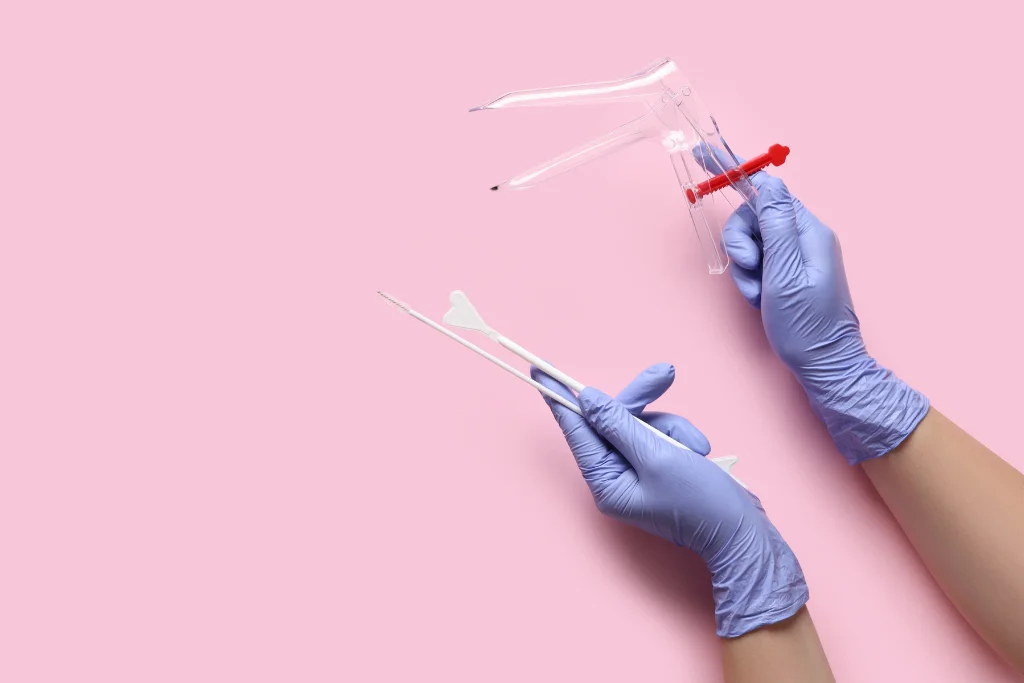
A pap smear is a screening test that looks for abnormal cells in the cervix that could develop into cervical cancer if left untreated. It is a key part of preventive health care for women, particularly those aged 25 to 29 who have been sexually active.
Screening with a pap smear can find early cell changes long before any symptoms appear. Treatment can then start sooner, which can improve long-term outcomes.
Why Is a Pap Smear Important?
Pap smears help identify cervical abnormalities at an early and more treatable stage, even in women who feel completely healthy. Cervical cancer often develops silently, without obvious warning signs, making proactive screening vital.
Although HPV vaccines provide strong protection, they do not guard against every cancer-causing strain of the virus. For this reason, pap smears remain essential to detect abnormalities that vaccination alone may not prevent and to support long-term cervical health.
Pap Smear vs. HPV Test: What's the Difference?
Although both pap smears and HPV tests relate to cervical health, they serve different purposes. Their key differences include:
| Difference | Pap Smear | HPV Test |
|---|---|---|
| Purpose | Detects abnormal or precancerous changes in cervical cells that could develop into cancer if untreated. | Identifies high-risk strains of Human Papillomavirus (HPV) that may cause cervical cell changes or cancer. |
| How the Test Is Done | A soft brush or spatula is used to collect cells from the cervix, which are then examined under a microscope. | The same cervical cell sample is analysed in the laboratory to detect HPV genetic material. |
| Recommended Frequency | Every 3 years for women aged 25 and above with normal results. | Every 5 years for women aged 30 and above, or as advised by your doctor. |
These tests are often performed together to give a more complete picture of cervical health and guide follow-up screening schedules.
How Is a Pap Smear Test Done?
A pap smear is a short procedure that typically takes only a few minutes. During the test:
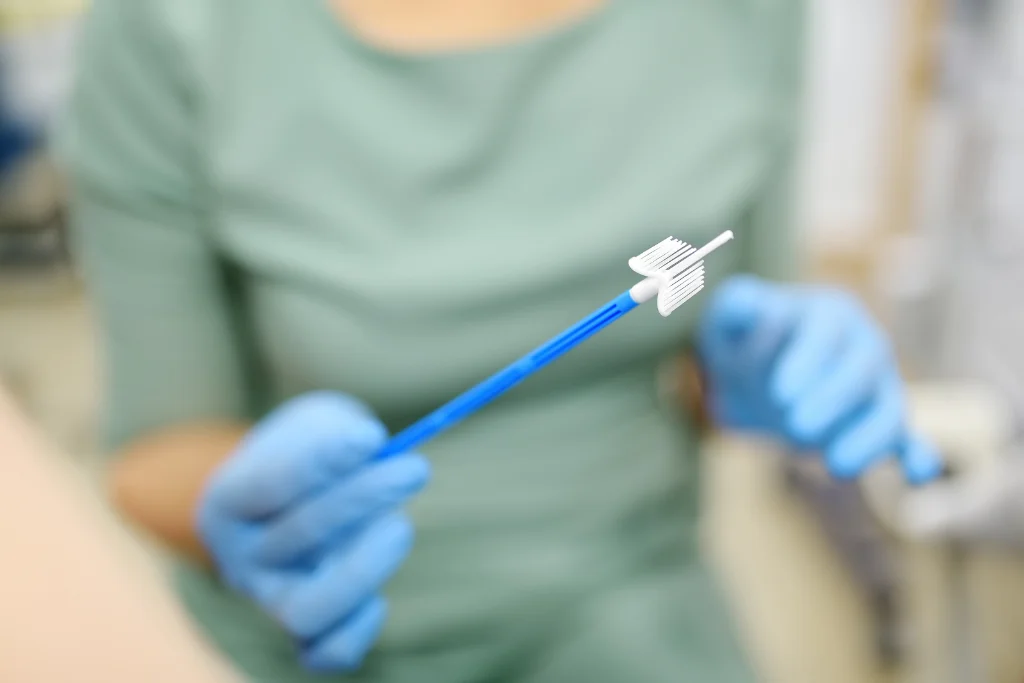
- A medical instrument called a speculum is gently inserted into the vagina to widen it for clear access to the cervix.
- A soft brush or spatula is used to collect a small sample of cervical cells.
- The sample is preserved and sent to a laboratory for analysis.
Does a Pap Smear Hurt?
Some people experience mild discomfort during a pap smear, but it is usually brief and tolerable.
The sensation is often described as a slight feeling of pressure when the instrument is inserted, followed
by a mild scratch or pinch as the sample is collected. A brief abdominal cramp may also occur.
If significant pain occurs, it is important to inform your doctor so that the position or instrument can be adjusted.
Relaxing the pelvic muscles, emptying the bladder beforehand, and taking slow, deep breaths can help ease tension during the procedure. Mild cramping or light spotting afterwards is common and usually settles quickly.
How Long Does a Pap Smear Take?
A pap smear appointment typically takes about 30 to 45 minutes during off-peak hours at our clinic. You can contact us for the most suitable time to schedule your appointment.
Your results will typically be available within a week, and your doctor will call to discuss and review them, and recommend any follow-up if required.
How to Prepare for a Pap Smear?
To ensure accurate results and a smoother experience, it is important to prepare properly before your appointment.
For at least 48 hours prior to the test, avoid sexual intercourse, vaginal douching, vaginal medications, and spermicidal products such as foams, creams, or jellies. These can alter the cervical cells or interfere with the laboratory analysis.
Wearing comfortable clothing and taking a few moments to relax before the procedure can help make the process more comfortable.
There is no need to shave or wax before a pap smear, as hair removal does not affect the quality of the test or the sample collected.

How Frequently Should I Do a Pap Smear?
Routine pap smears are recommended every three years for women aged 25 and above, even if there are no symptoms.
More frequent screening may be advised for those who have had abnormal results or other risk factors, such as previous test outcomes, medical history, or exposure to high-risk HPV strains.
When Should I Schedule My Pap Smear?
It is best to schedule your pap smear about five days after your menstrual period ends, as blood and hormonal changes can interfere with the quality of the cell sample.
Avoid booking the test during menstruation, as the presence of blood may make it harder to obtain a clear result.
How Much Does a Pap Smear Cost in Singapore?
At Singapore Women's Clinic, we provide pap smears along with other women's health-related tests. Pap smears are subsidised under Singapore's national health screening programme, Screen for Life (SFL).
| Test / Vaccination | Price* |
|---|---|
| Walk-in | $70.85 |
| CHAS Green / Non-CHAS | $5 |
| CHAS Blue / Orange | $2 |
| Merdeka Generation (MG) / Pioneer Generation (PG) | $0 |
| Women's Health-Related Screening | |
| HPV Test | From $0 depending on CHAS / MG / PG subsidies |
| Mammogram | $239.80 |
| Ultrasound Breast | $163.50 |
| Mammogram + Ultrasound Breast | $327.00 |
| Vaccination | |
| HPV Vaccination | From $23 depending on CHAS subsidies |
*Prices are NETT and inclusive of GST.
Payment Options We Accept


If you are unsure about subsidy eligibility, please contact us for more information.