Malaria Pills Singapore

Plan Malaria Protection Before You Travel
Conveniently located in Orchard, Tanjong Pagar, Jurong East & Novena

Medically Reviewed By: Dr Jana Lim, Board-Accredited Family Physician
Board-Accredited Family Physician | MBChB, MMed (FM)
MBChB, MMed (FM) | Last updated:
What Are Malaria Pills?
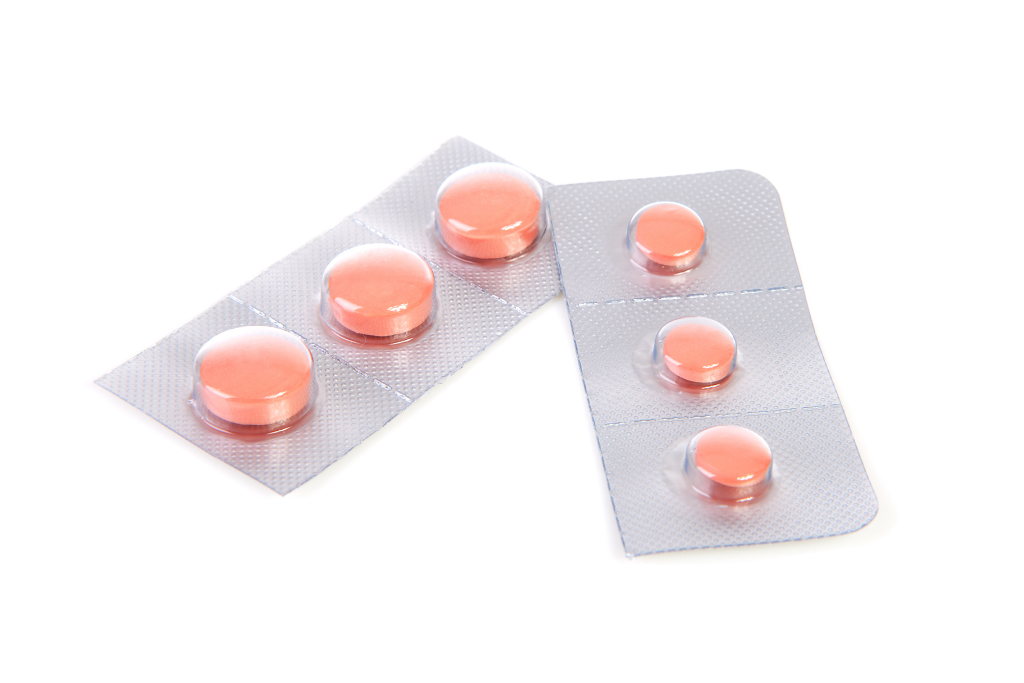
Malaria pills are prescription medicines that prevent or treat malaria. Malaria is a potentially serious disease caused by Plasmodium parasites, which infected Anopheles mosquitoes pass on when they bite.
Travellers heading to places where malaria spreads, whether all year round or only in certain seasons, are usually advised to take the pills to lower their risk of infection during the trip.
The right type of malaria pill depends on where you are travelling and your health. Risk levels and parasite strains differ from region to region, so one pill may not suit every trip.
When Do You Need Malaria Pills?
You should take malaria pills whenever you plan to visit an area where malaria transmission occurs, especially in tropical or subtropical climates. The need for preventive medication depends on factors such as your destination, duration of travel, and medical history.
- Destination — Some countries have a higher risk of malaria than others, and within the same country, certain rural or forested areas may carry greater risk. Reference sources such as the CDC Yellow Book or local health authorities can help determine whether prophylaxis is required.
- Length of stay — The longer you stay in endemic zones, the more opportunities mosquitoes have to bite and transmit infection.
- Personal health — Conditions such as liver disease, pregnancy, or allergies may limit which medication you can safely take.
Always see your doctor before travelling, as they will first determine whether malaria or other preventive measures are necessary and then review your health, medications, and itinerary before recommending the most suitable prophylaxis.
How Do Malaria Pills Work?
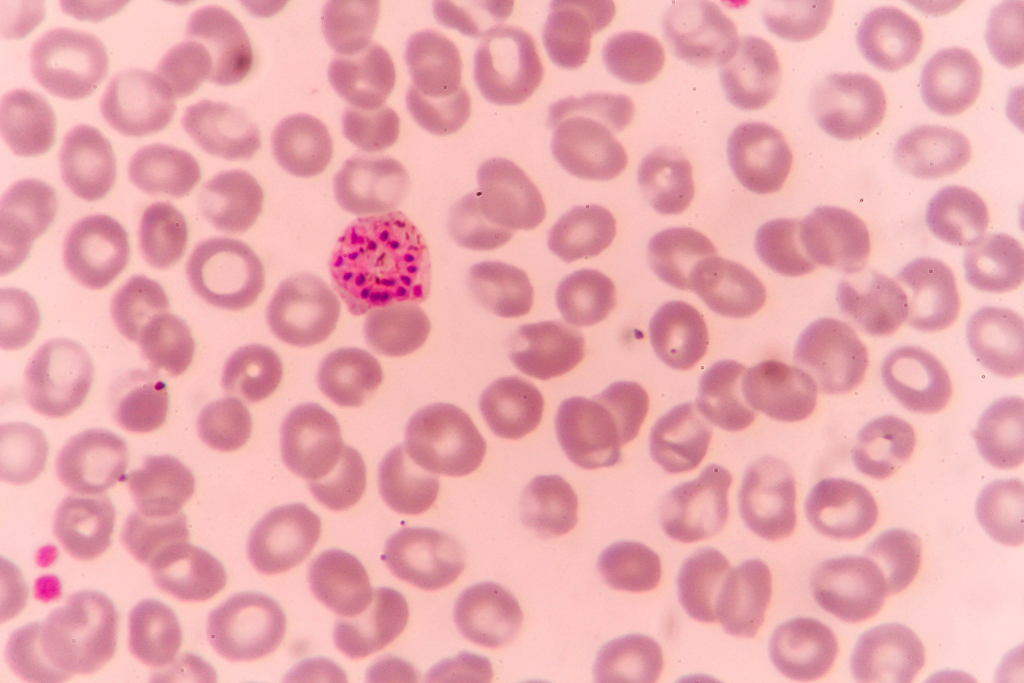
Malaria pills work by disrupting the parasite's development inside the human body.
When an infected mosquito bites, the Plasmodium parasite enters the bloodstream and travels
to the liver, where it multiplies before spreading to red blood cells.
Antimalarial drugs target specific stages of this process, either destroying the parasite or halting its replication.
To be fully protected, the medication must be started before entering a malaria-endemic area,
allowing the drug to reach steady levels in the bloodstream.
The tablets are then continued throughout the trip and for a short period after returning home.
This post-travel phase ensures that any remaining parasites in the body are cleared, reducing the
likelihood of illness after your journey.
What Are the Types of Malaria Pills?
Different malaria pills are available, and the appropriate choice depends on your travel location,
duration, tolerance, and medical history.
Each drug contains distinct active ingredients and
dosing schedules, with potential side effects that vary from person to person.
| Type of Malaria Pill | Description |
|---|---|
| Atovaquone–Proguanil | A once-daily combination tablet that helps both prevent and treat malaria. It is generally well tolerated and often preferred by travellers on shorter trips because of its simple dosing schedule. |
| Doxycycline | A daily antibiotic that protects against malaria by stopping the parasite from multiplying in the body. It is a widely available and cost-effective option for many destinations. |
| Mefloquine | A weekly tablet used for both prevention and treatment of malaria, making it practical for extended stays. It may suit travellers who prefer less frequent dosing. |
| Chloroquine | A medication effective only in areas where malaria parasites have not developed resistance. Its use today is limited to specific regions where sensitivity remains. |
When Should You Take Malaria Pills?
Malaria tablets must be taken at specific times before, during, and after travel
for them to work effectively.
The exact timing of when to start and stop depends on the medication prescribed,
and starting too late or ending the course early can leave you unprotected.
- Before travel — Begin taking the tablets 1 to 2 days before arrival in a malaria area. Some medicines, like mefloquine, must start at least a week before departure.
- During travel — Take your dose consistently at the same time each day or week, depending on the prescribed schedule. Missing a dose may reduce protection.
- After travel — Continue taking the medicine for the recommended period, which may range from 1 to 4 weeks, to kill any remaining parasites that might still be developing in your body.
It is important to follow the full course exactly as instructed by your doctor, even after you have left the risk area.
Are There Side Effects of Malaria Pills?
Malaria tablets, like most medications, may occasionally cause side effects, though many are mild and temporary. Individuals may respond differently depending on the specific drug taken.
Common side effects include:
- Nausea, mild stomach upset, or vomiting, particularly if taken without food
- Dizziness or light-headedness, especially with atovaquone-proguanil or mefloquine
- Increased sensitivity to sunlight, commonly associated with doxycycline, making sunscreen and protective clothing important
Less frequent reactions may involve:
- Mood changes, restlessness, or vivid dreams (occasionally linked to mefloquine)
- Allergic reactions such as rashes or itching
- Severe abdominal pain, persistent vomiting, or signs of depression, which require immediate medical attention
If you experience discomfort that persists or worsens, consult a doctor promptly. They can adjust the
dosage or recommend an alternative medication suited to your condition.
Disclaimer: The information provided here is for general educational purposes and
should not replace professional medical advice. Always speak to a qualified doctor before starting
malaria medication or any travel-related treatment.
What Is the Cost of Malaria Pills?
At Singapore Women's Clinic, we offer the following malaria medications, with prices as follows:
| Medication | Price* |
|---|---|
| Consultation | From $49.05 |
|
Malarone (Atovaquone-Proguanil)
Typical Dosage: 2 days + duration of travel + 7 days after returning (1 tab per day)
Typical Dosage: 2 days + duration of travel + 7 days after returning (1 tab per day)
|
$14.17 per tab |
|
Doxycycline
Typical Dosage: 2 days + duration of travel + 28 days after returning (1 tab per day)
Typical Dosage: 2 days + duration of travel + 28 days after returning (1 tab per day)
|
$1.09 per tab |
| Period Delay Pill (Norethisterone 5 mg) | $0.76 per tab |
*All prices are NETT and inclusive of GST.
Payment Options We Accept


We also provide a full range of travel vaccinations and preventive health services to help you stay protected while abroad.